PPL Ex. 18c Radio navigation
PPL(A) Exercise 18(c) ✈︎ Navigation ✈︎ Radio aids
EASA requirements:-
(A) use of GNSS:
(a) selection of waypoints;
(b) to or from indications and orientation;
(c) error messages.
(B) use of VHF Omni Range (VOR):
(a) availability, AIP and frequencies;
(b) selection and identification;
(c) OBS;
(d) to or from indications and orientation;
(e) CDI;
(f) determination of radial;
(g) intercepting and maintaining a radial;
(h) VOR passage;
(i) obtaining a fix from two VORs.
(C) use of ADF equipment: NDBs:
(a) availability, AIP and frequencies;
(b) selection and identification;
(c) orientation relative to the beacon;
(d) homing.
(D) use of VHF/DF:
(a) availability, AIP, frequencies;
(b) R/T procedures and ATC liaison;
(c) obtaining a QDM and homing.
(E) use of en-route or terminal radar:
(a) availability and AIP;
(b) procedures and ATC liaison;
(c) pilot’s responsibilities;
(d) secondary surveillance radar:
(1) transponders;
(2) code selection;
(3) interrogation and reply.
(F) use of DME:
(a) station selection and identification;
(b) modes of operation: distance, groundspeed and time to run.
(A)
GPS - navigating the skies with precision

(B)
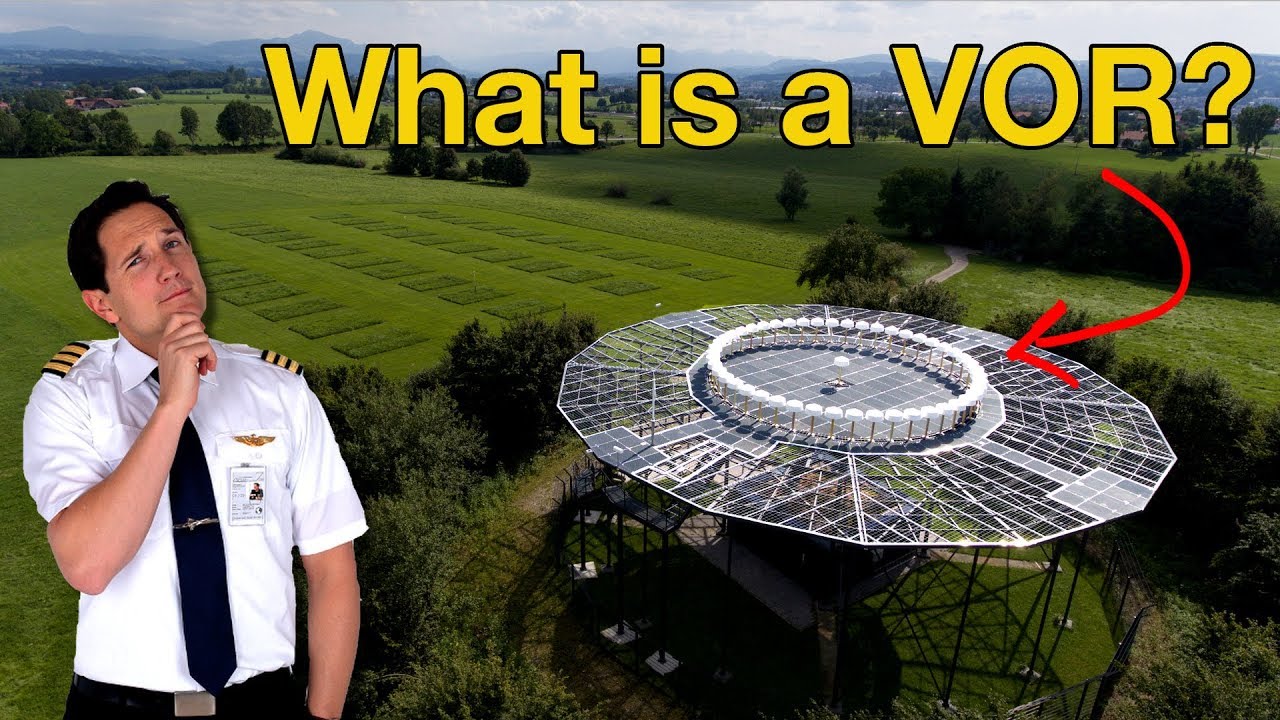
What is a VOR
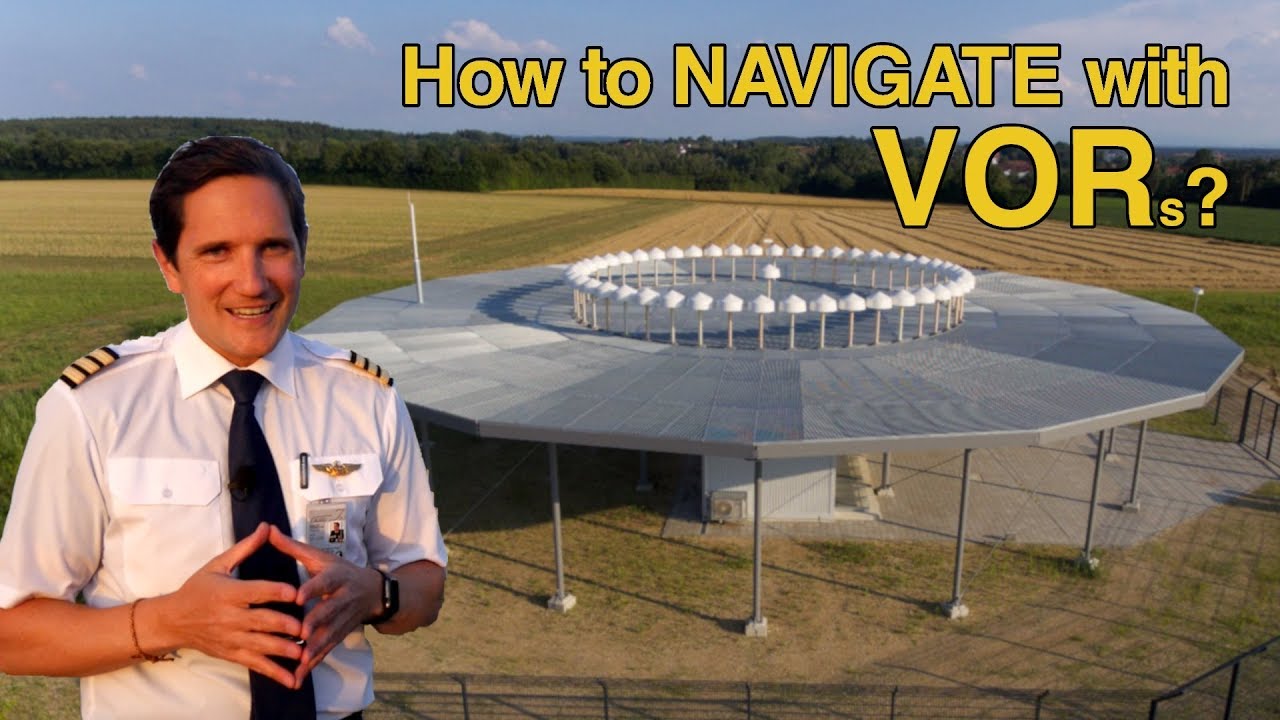
How to navigate with VOR
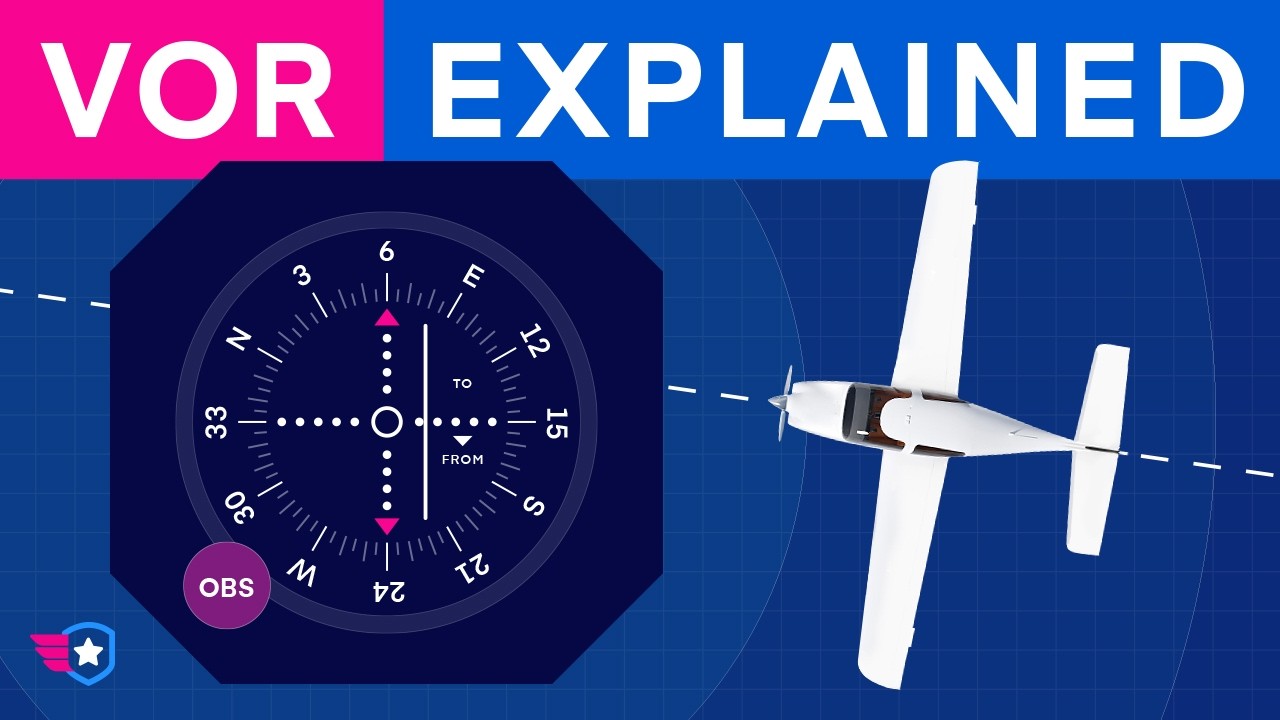
How to use a VOR - the right way
How to use the HSI - the right way
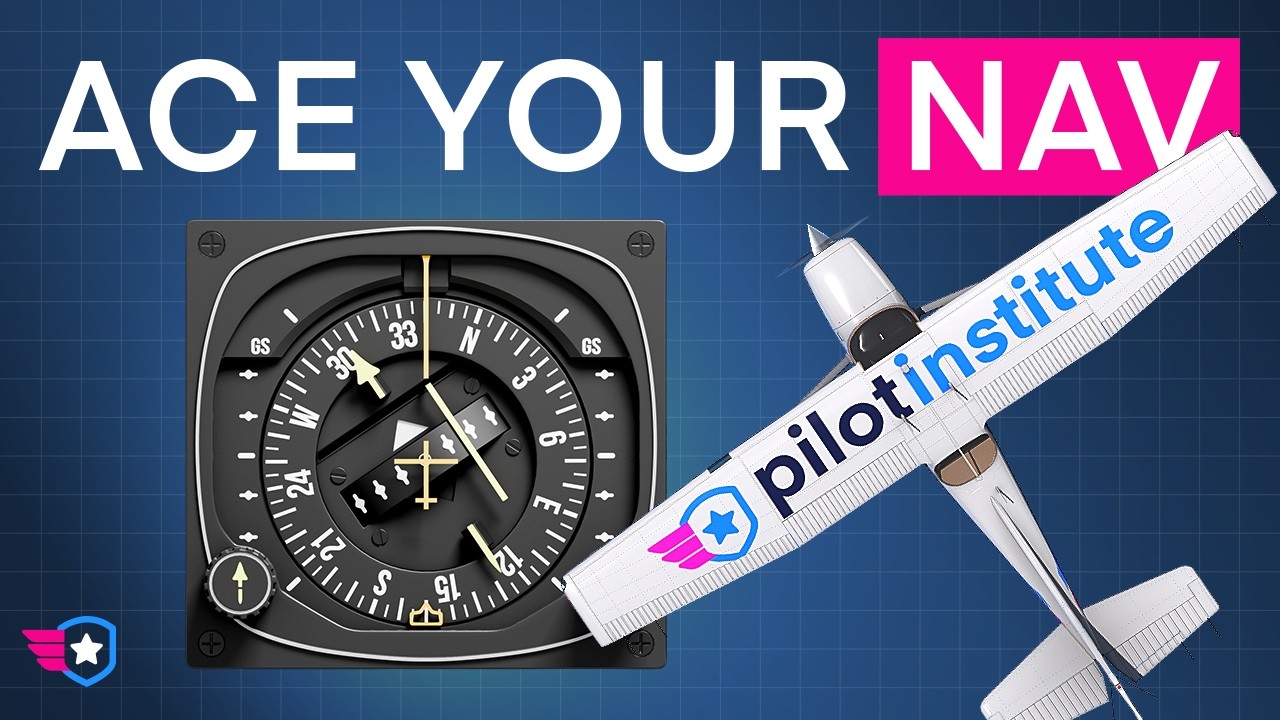
Master VOR Navigation: Simple tricks for student pilots
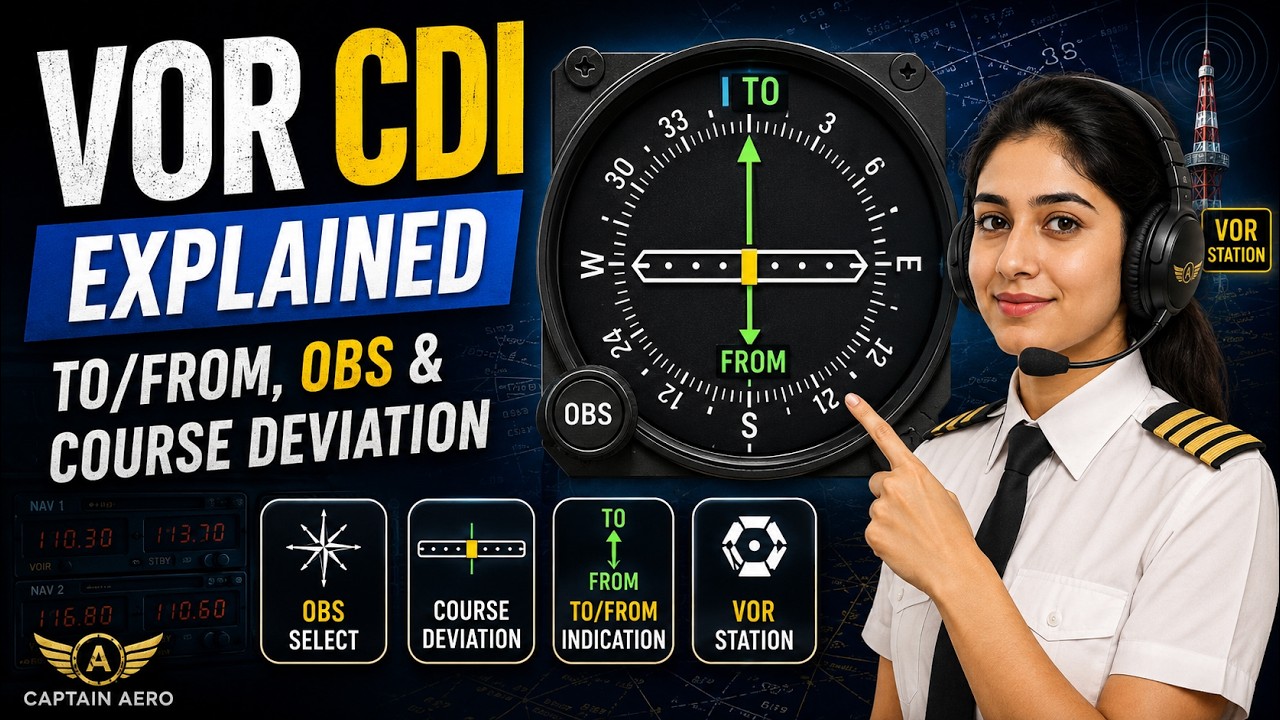
Navigation systems and Radar Services - Embry Riddle
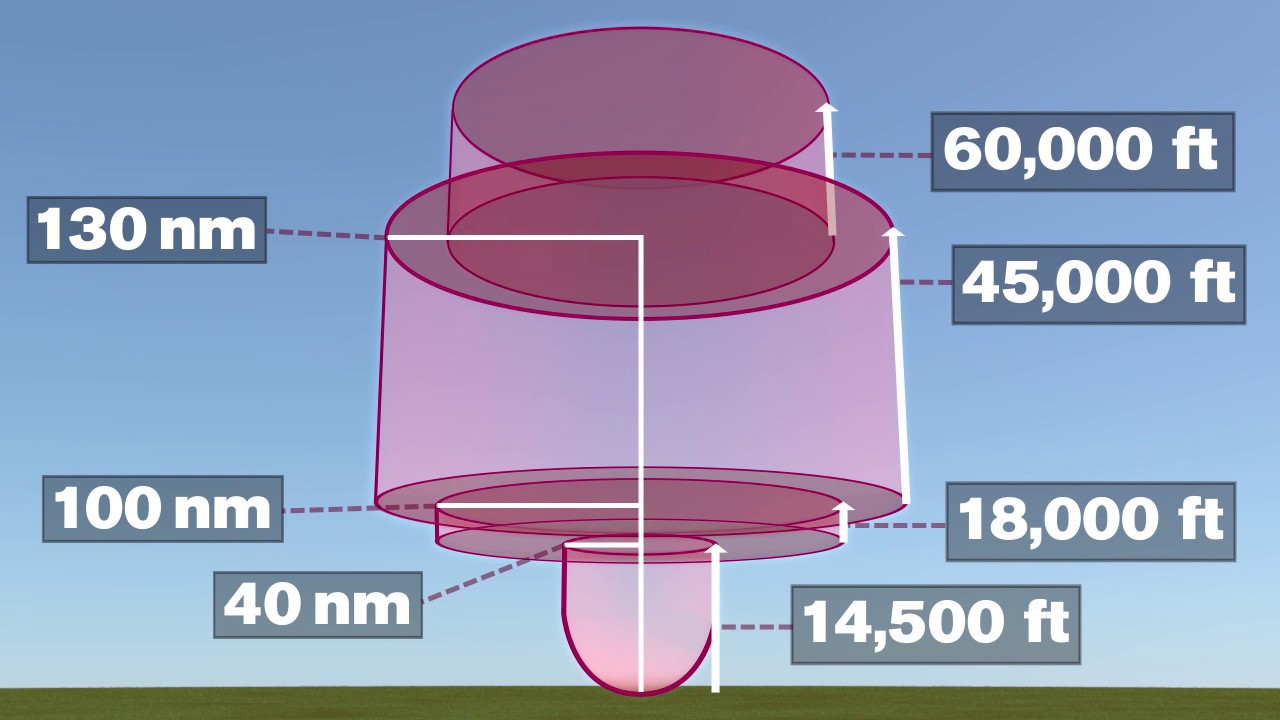
(C)
Navigating with NDB and ADF
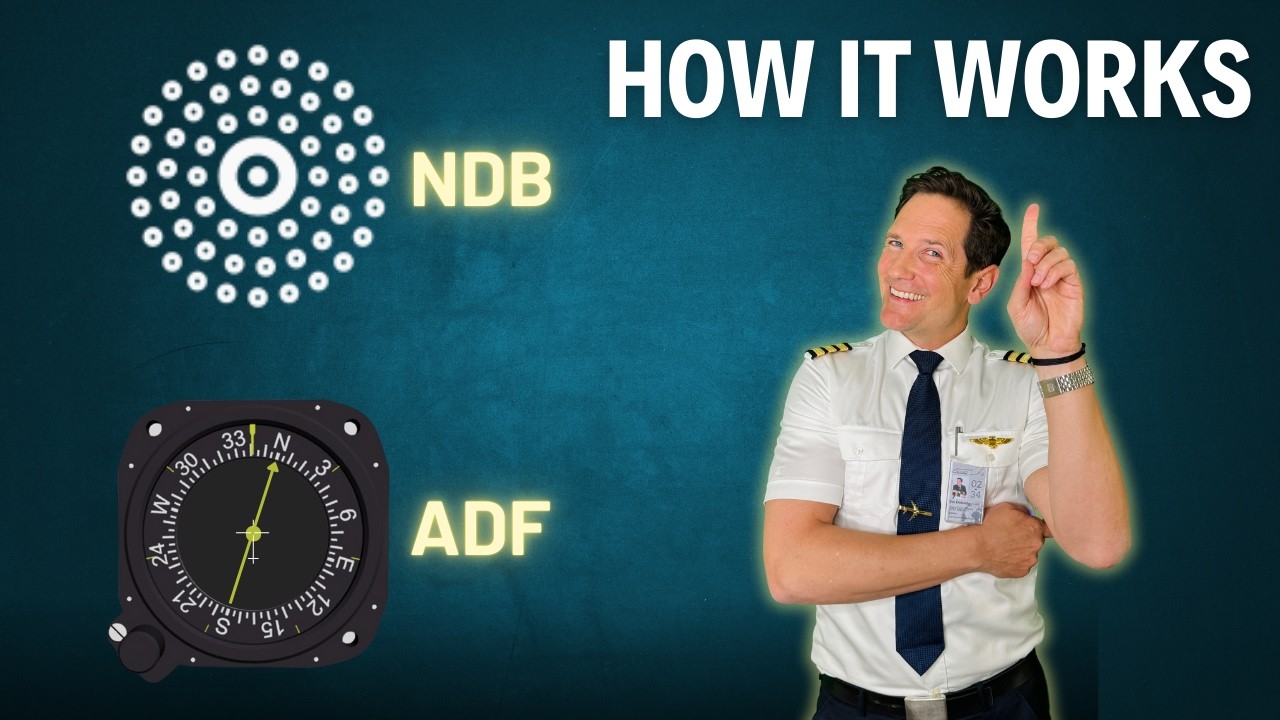
Intercepting VOR's
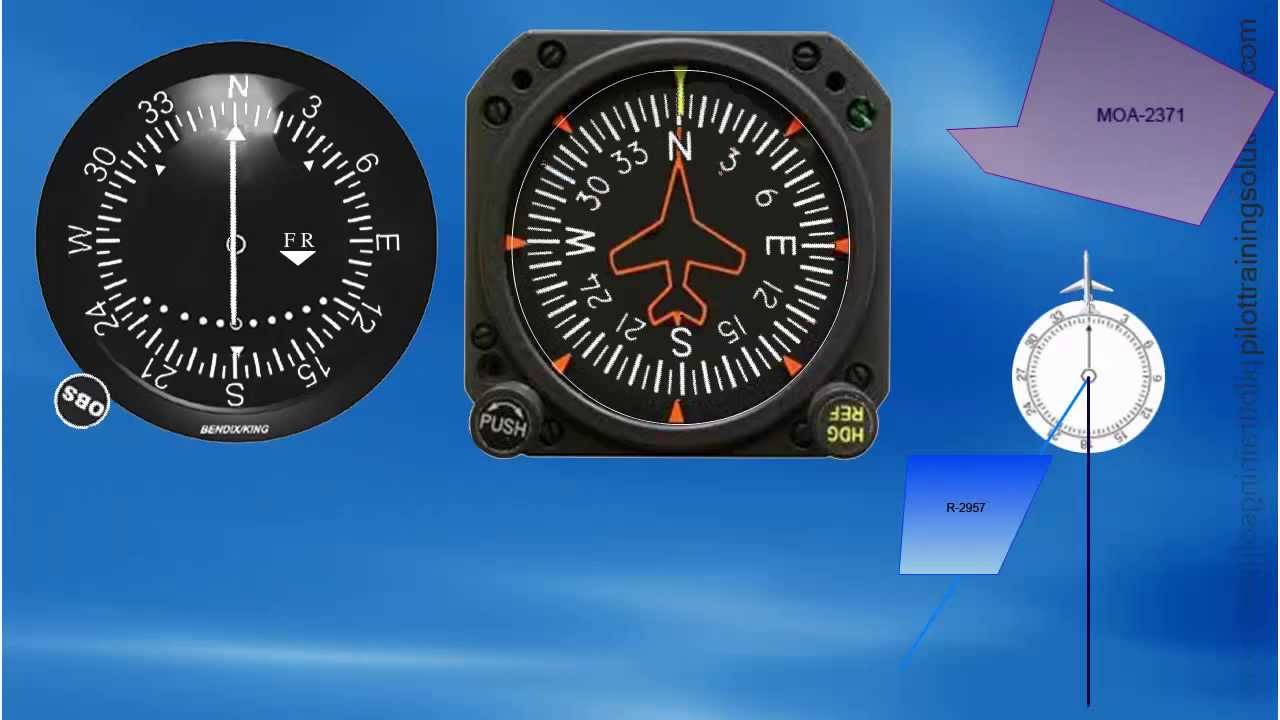
VOR navigation
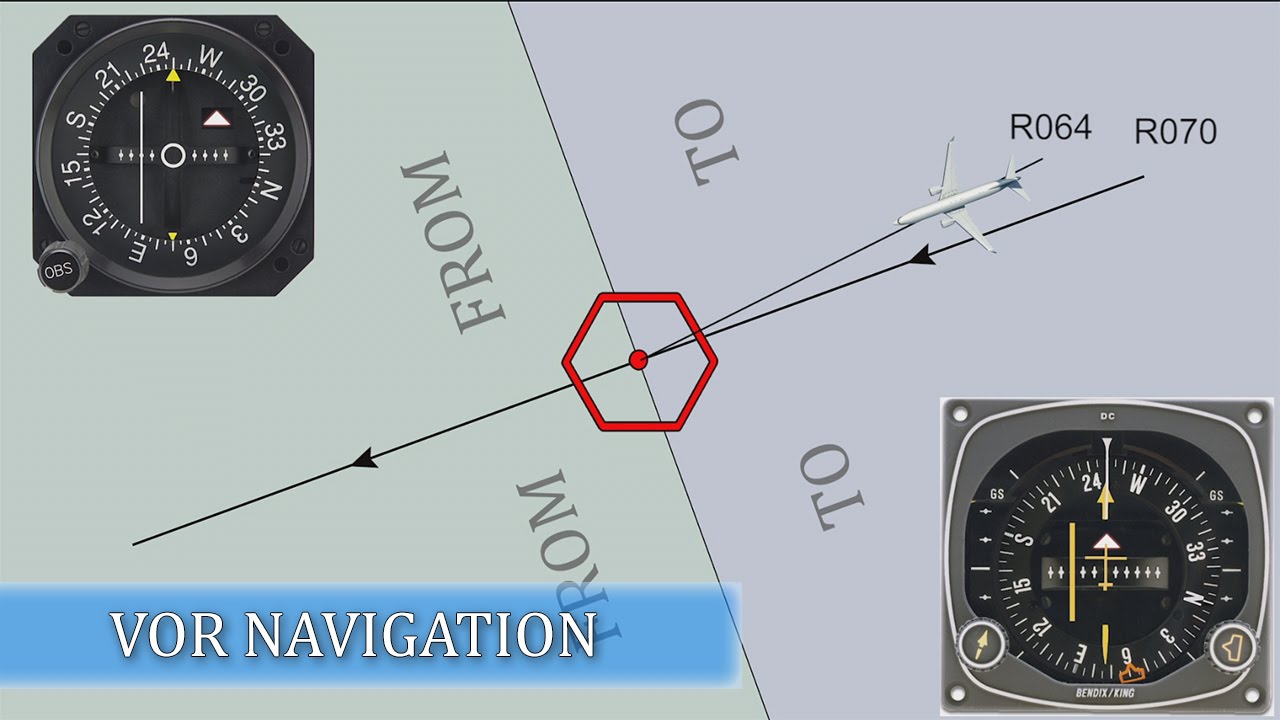
VOR Navigation
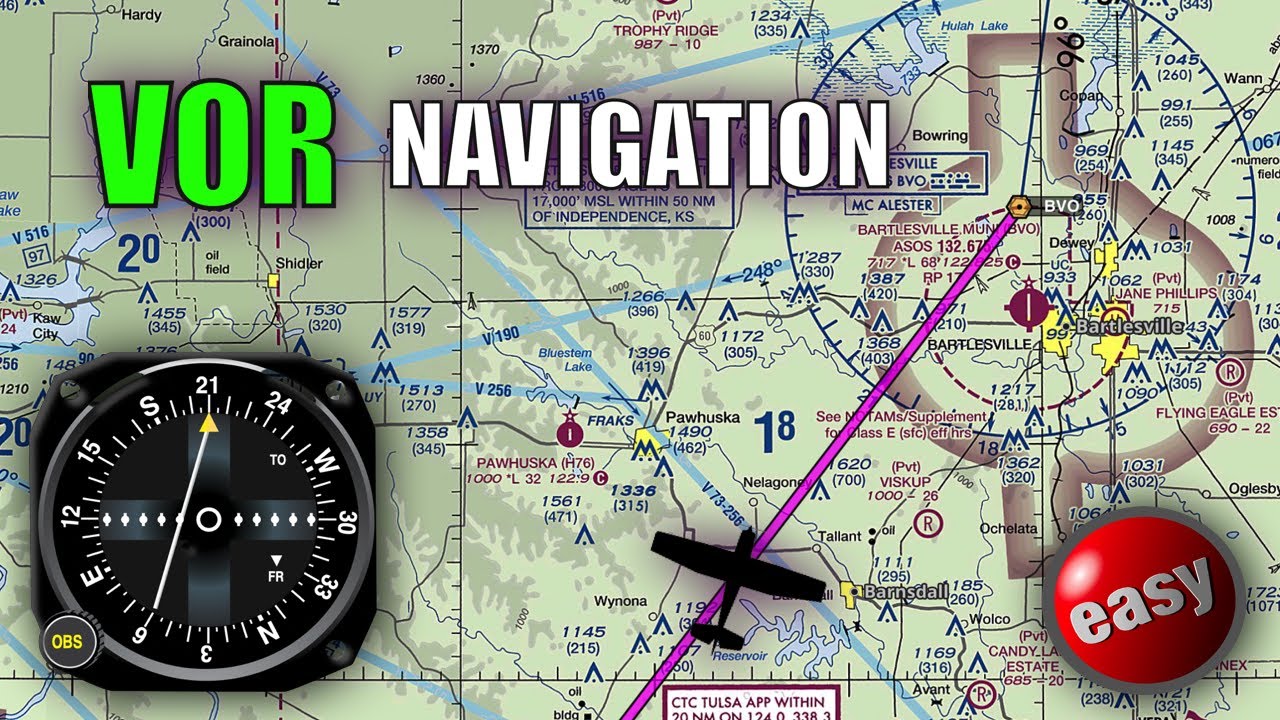
GPS Navigation Explained (Private Pilot Ground Lesson 38)
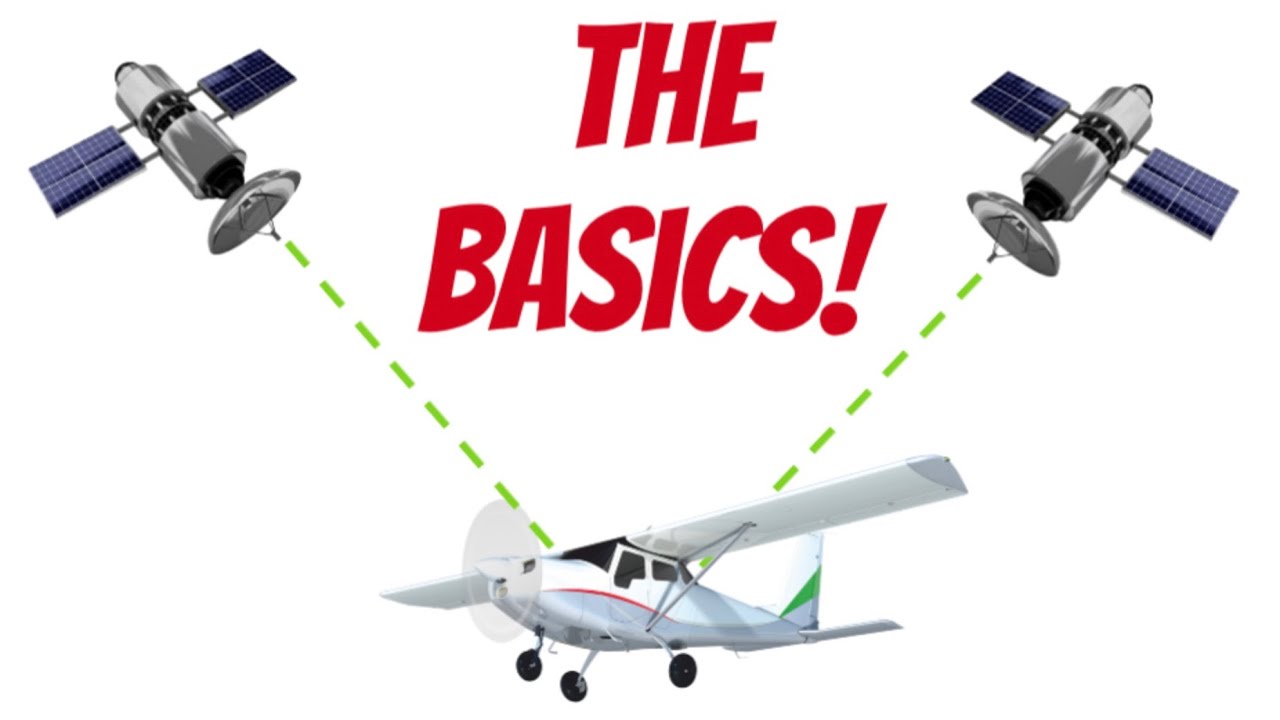
Pilotage and dead reckoning
(E)
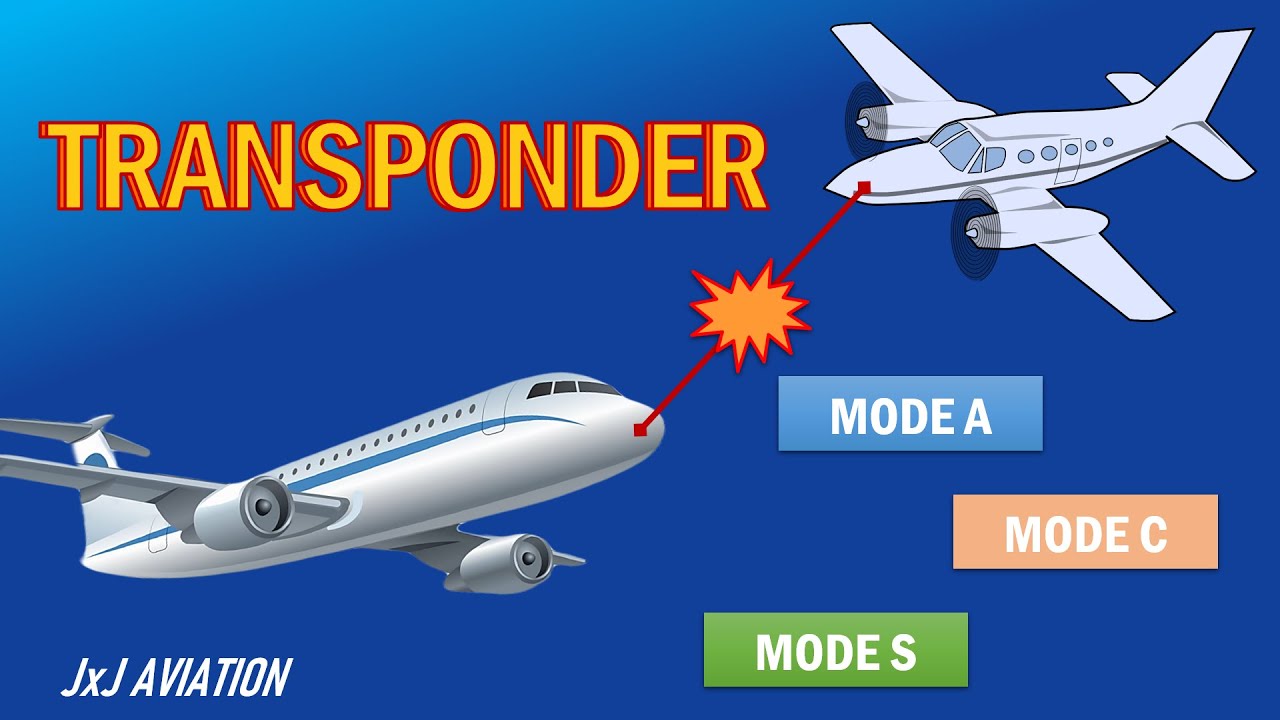
What is a Transponder
What is a Squark code

(F)
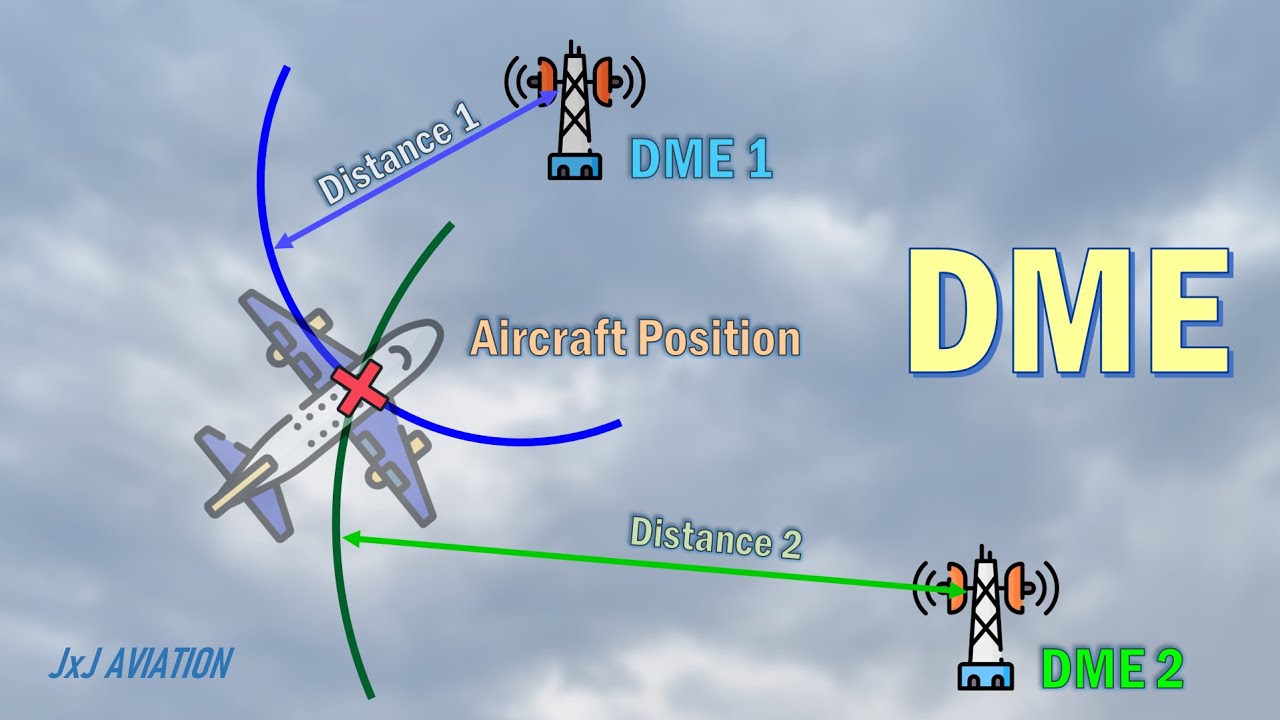
What is DME
How does an ILS work

How to fly an ILS