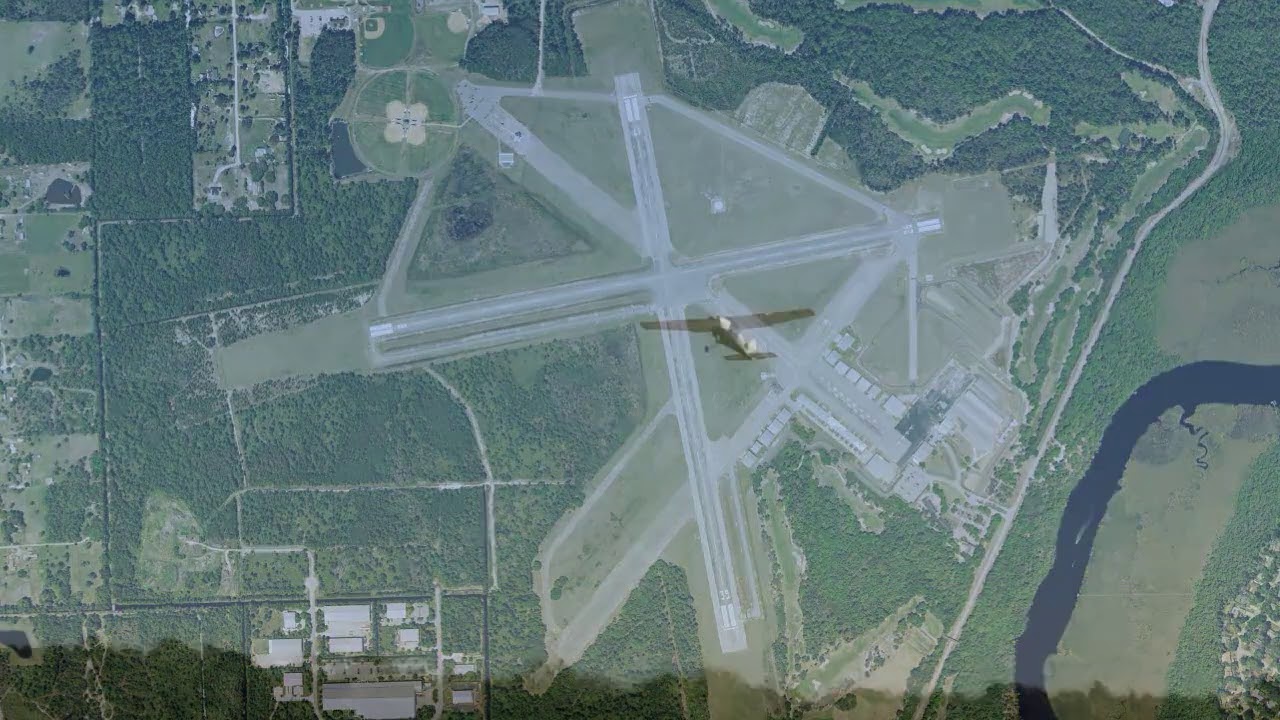
PPL Ex. 13 Circuit, Approach and Landing
PPL(A) Exercise 13 ✈︎ Circuit, Approach and Landing
EASA requirements: -
(A) circuit procedures, downwind and base leg;
(B) powered approach and landing;
(C) safeguarding the nose wheel;
(D) effect of wind on approach and touchdown speeds and use of flaps;
(E) crosswind approach and landing;
(F) glide approach and landing;
(G) short landing and soft field procedures or techniques;
(H) flapless approach and landing;
(I) wheel landing (tail wheel aeroplanes);
(J) missed approach and go-around;
(K) noise abatement procedures.
Additional reading
FAA Airplane Flying Manual
Disclaimer: The material presented in these YouTube videos should not be used in place of actual ground or flight instruction. Consult a certified flight instructor before attempting to conduct any flight maneuvers.
The following training videos supplement the flight training syllabus in the Flying Training Manual
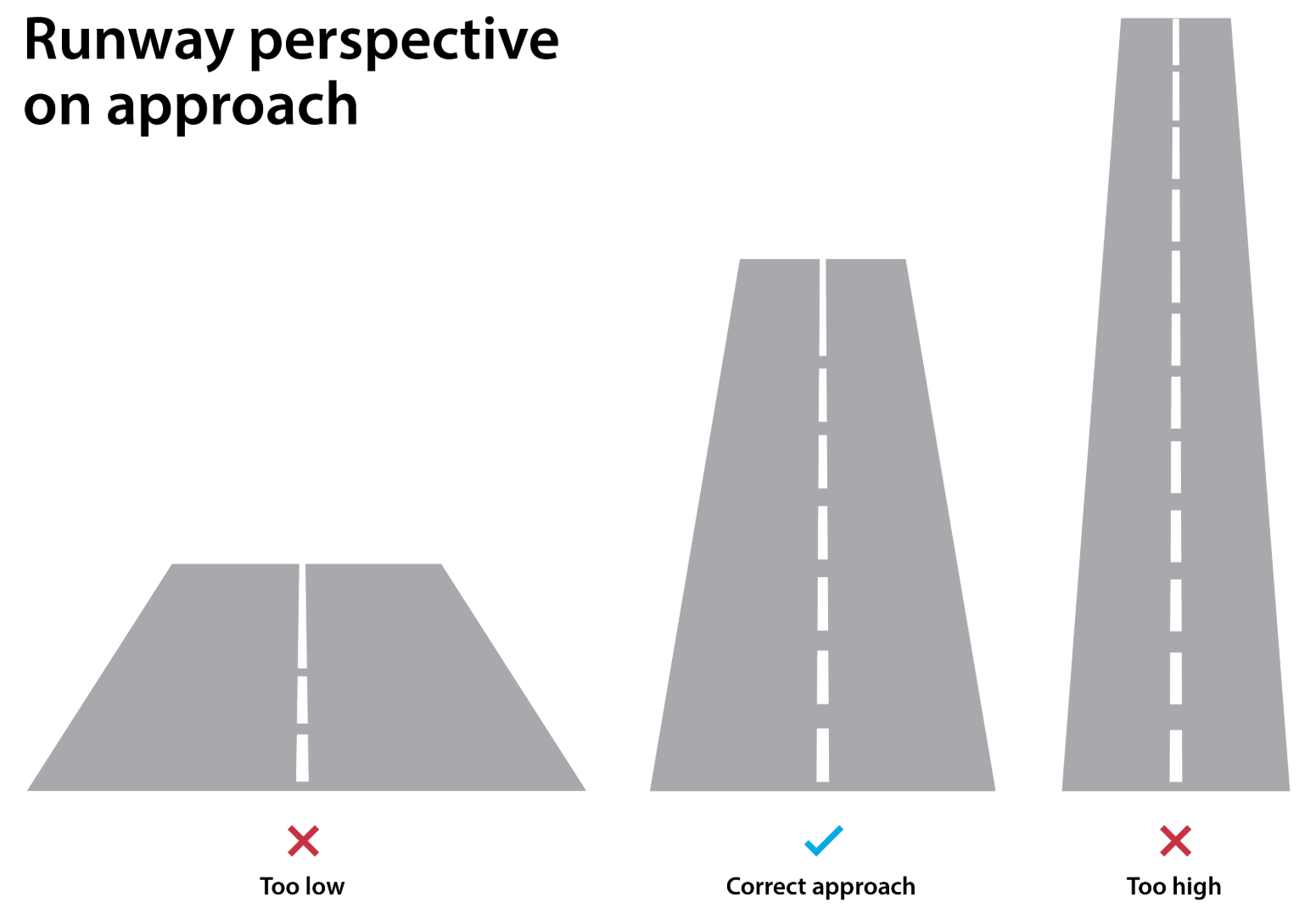
Flapless Landings
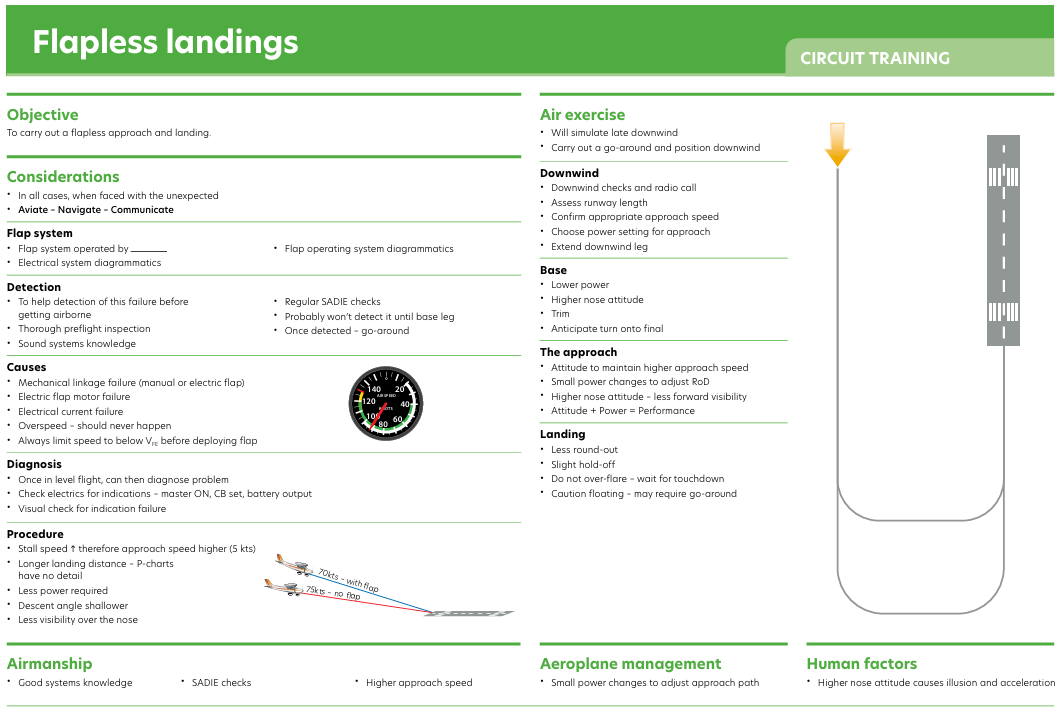
Crosswind Circuit
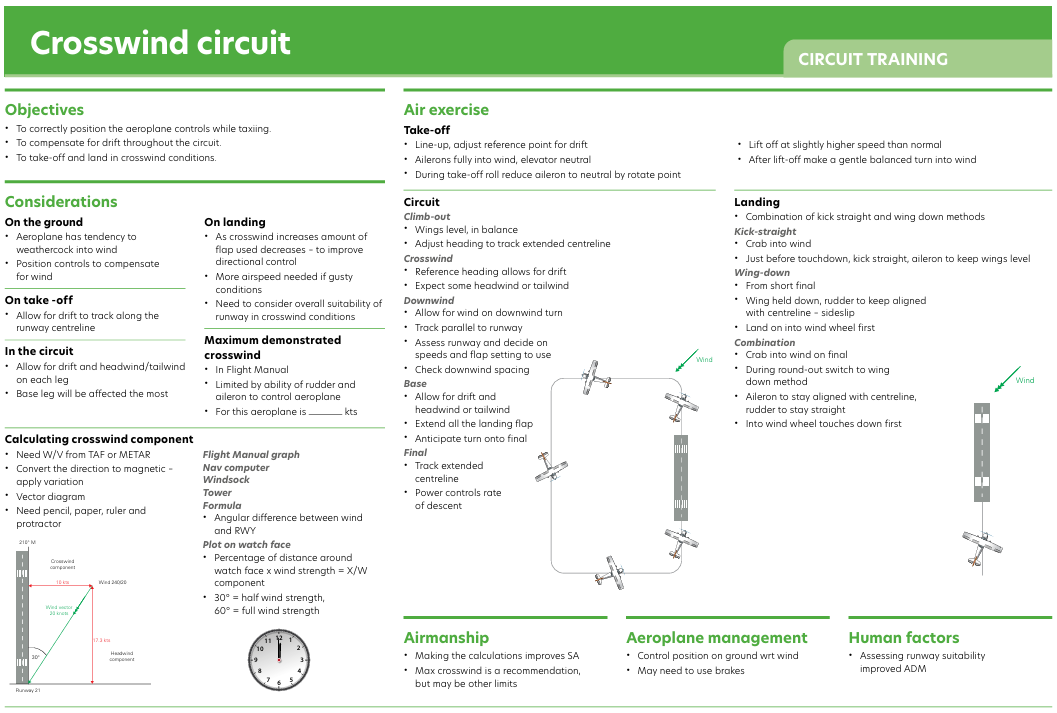
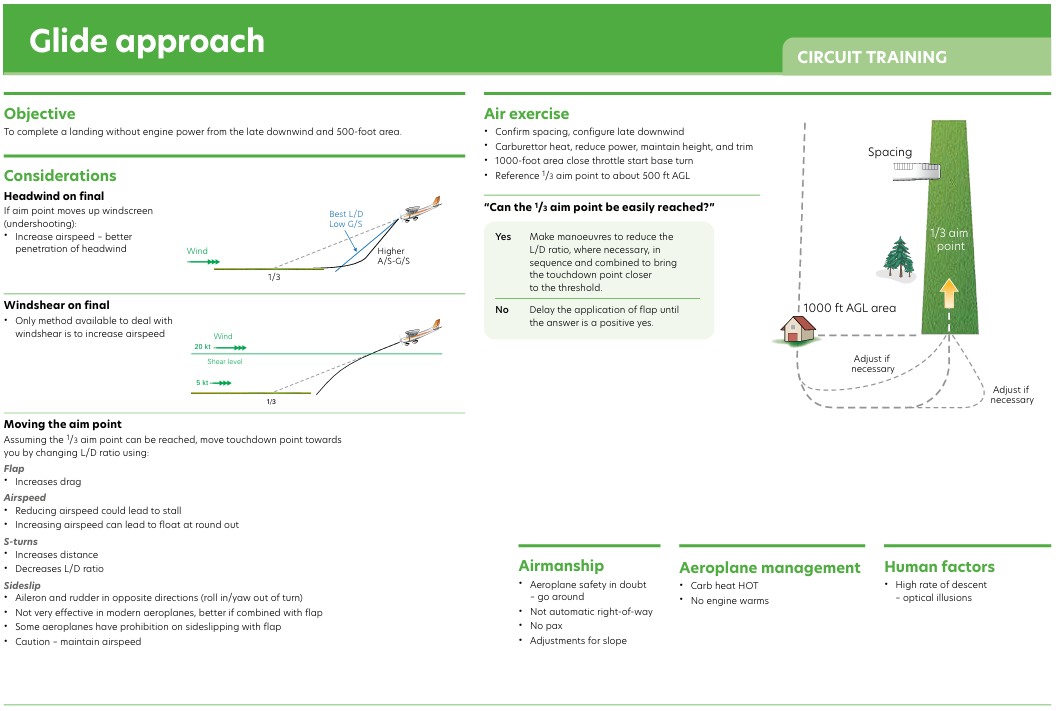
Glide Approach
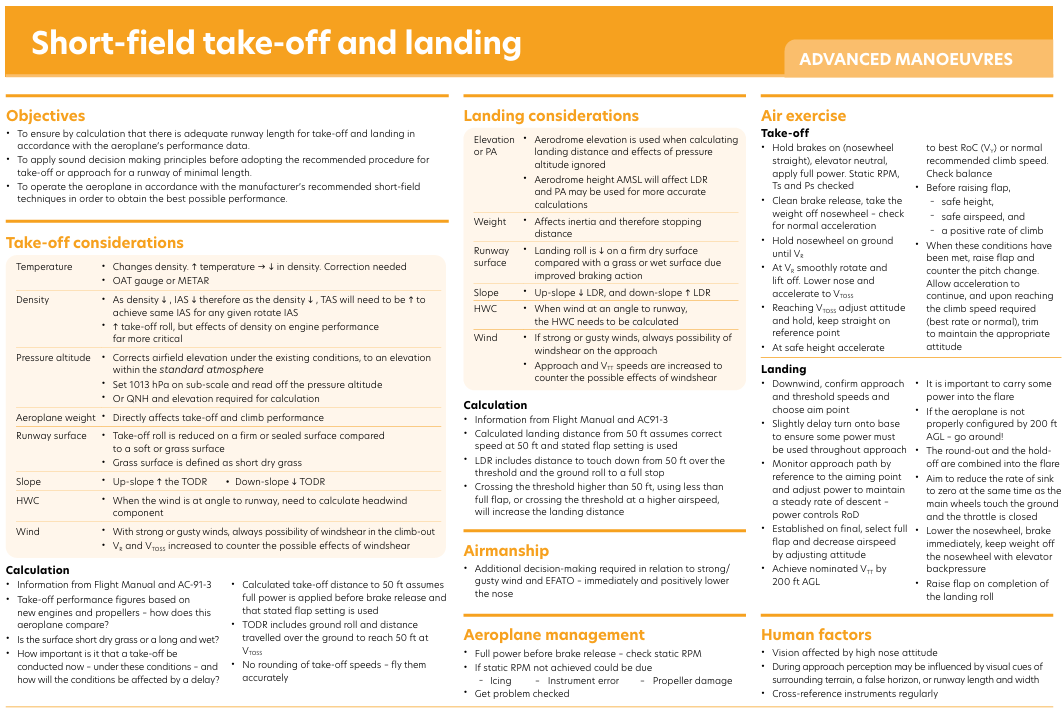
Short Field Take Off & Landing
(A)
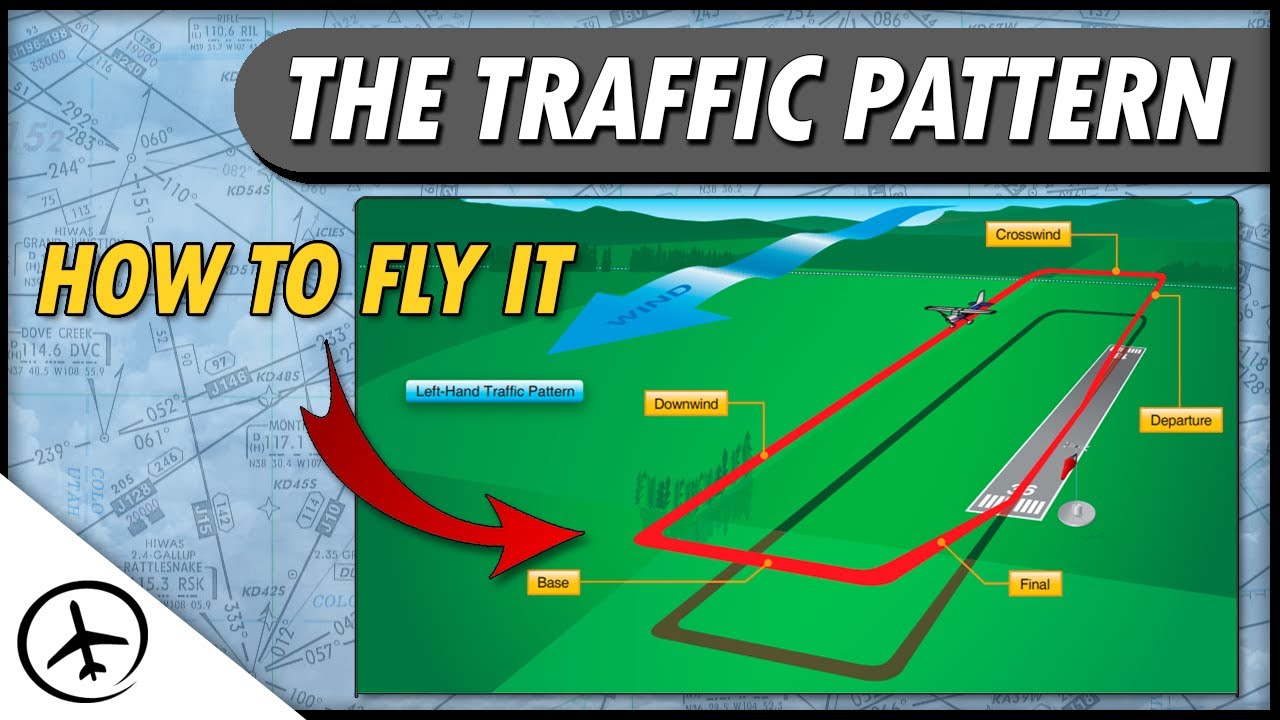
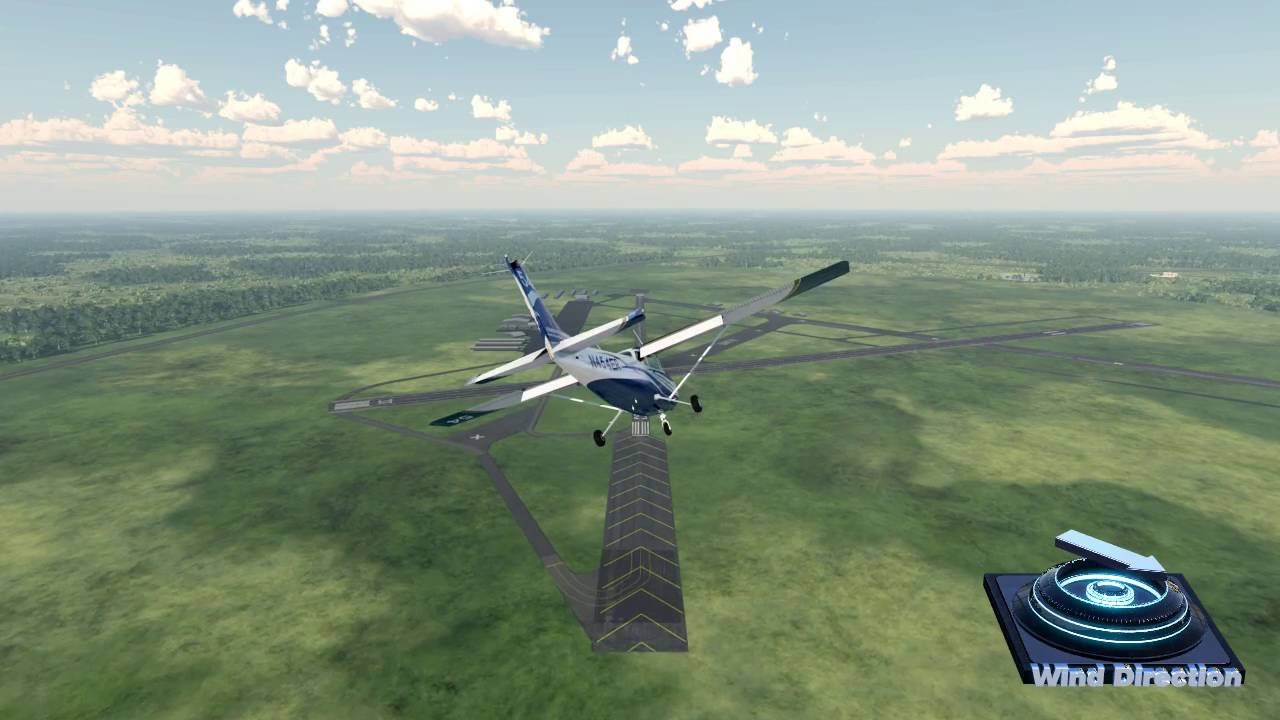
Traffic Patterns (Circuit) ✈︎ Level 1
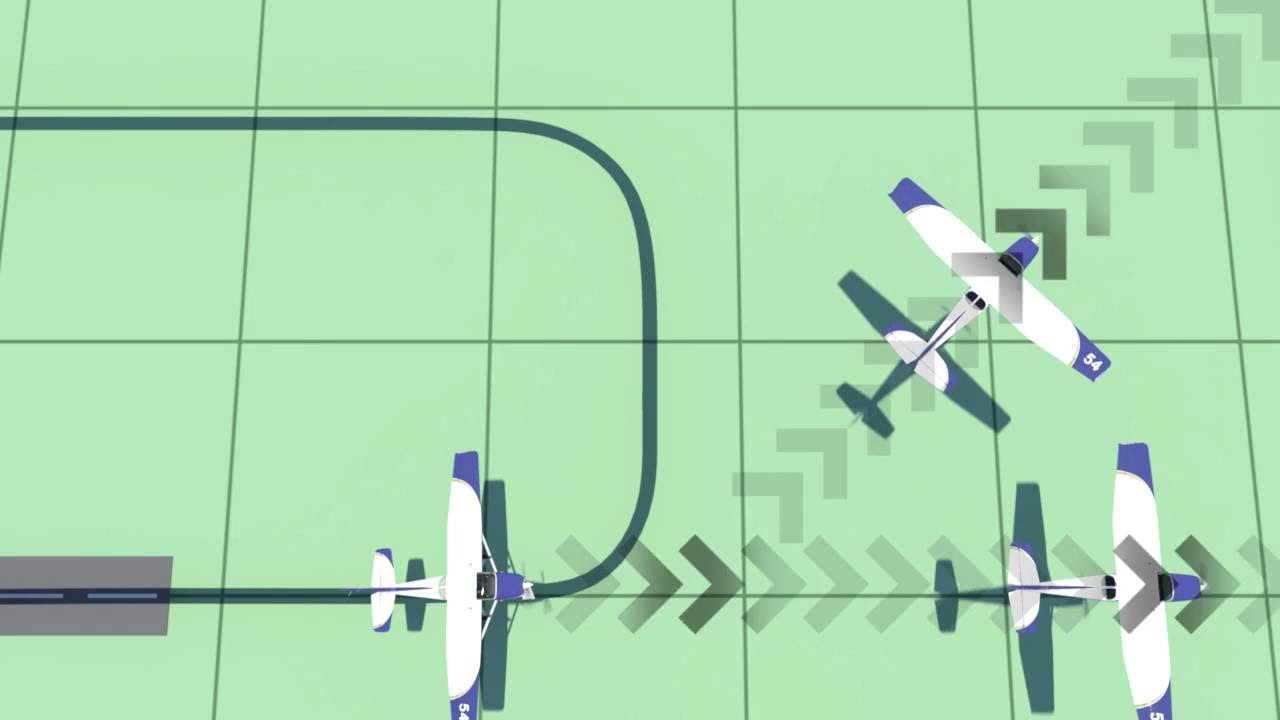
Traffic Patterns (Circuit) ✈︎ Level 2
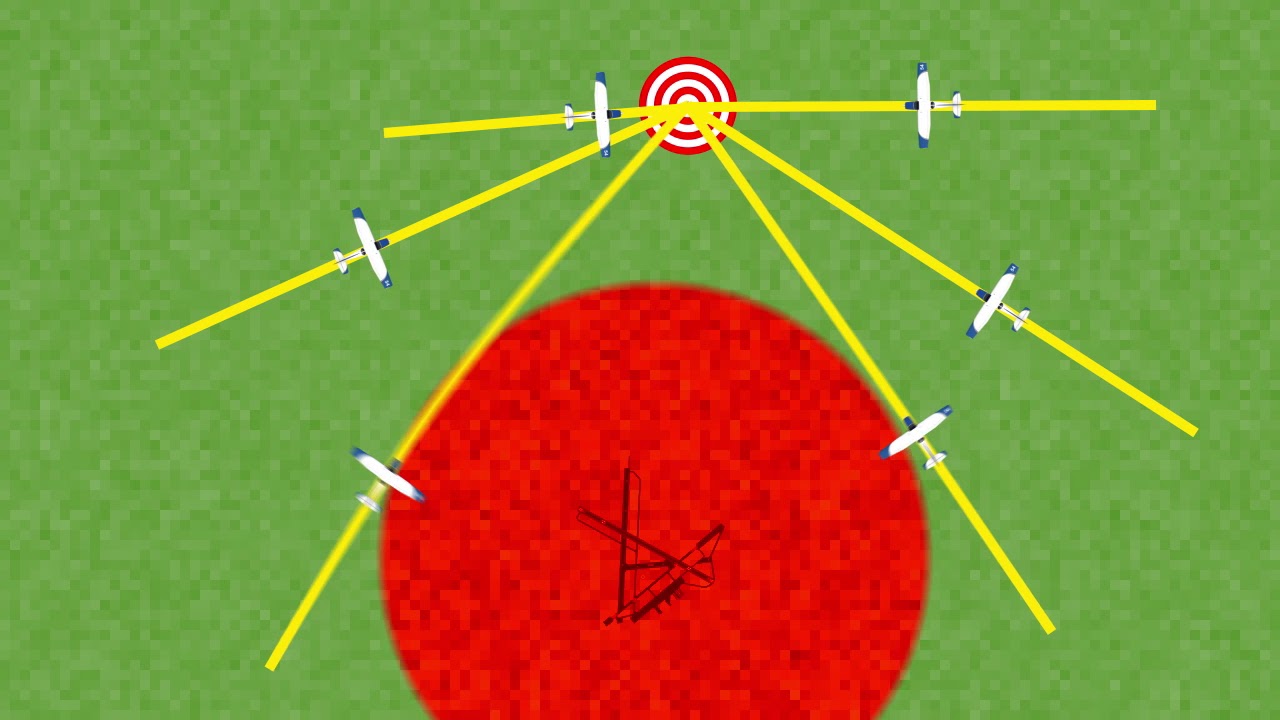
Traffic Pattern
(B) + (E)
Normal and Crosswind Approach and Landing ✈︎ Level 1
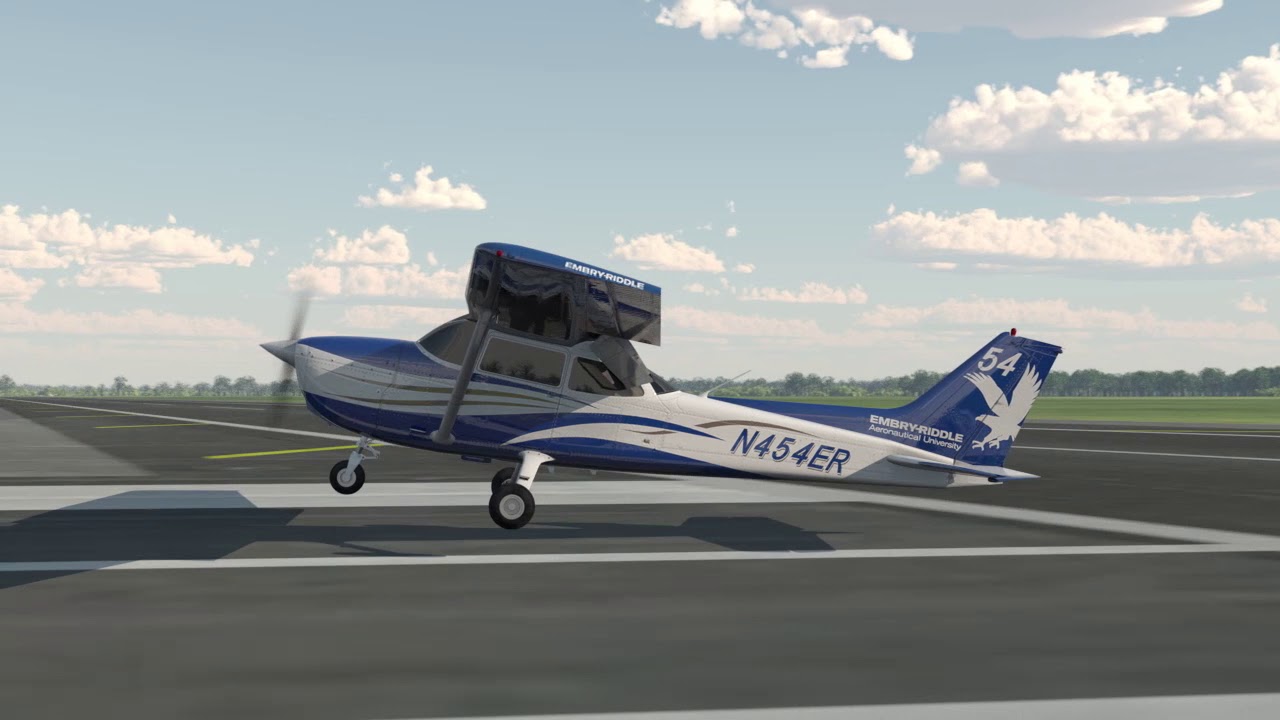
Normal and Crosswind Approach and Landing ✈︎ Level 2
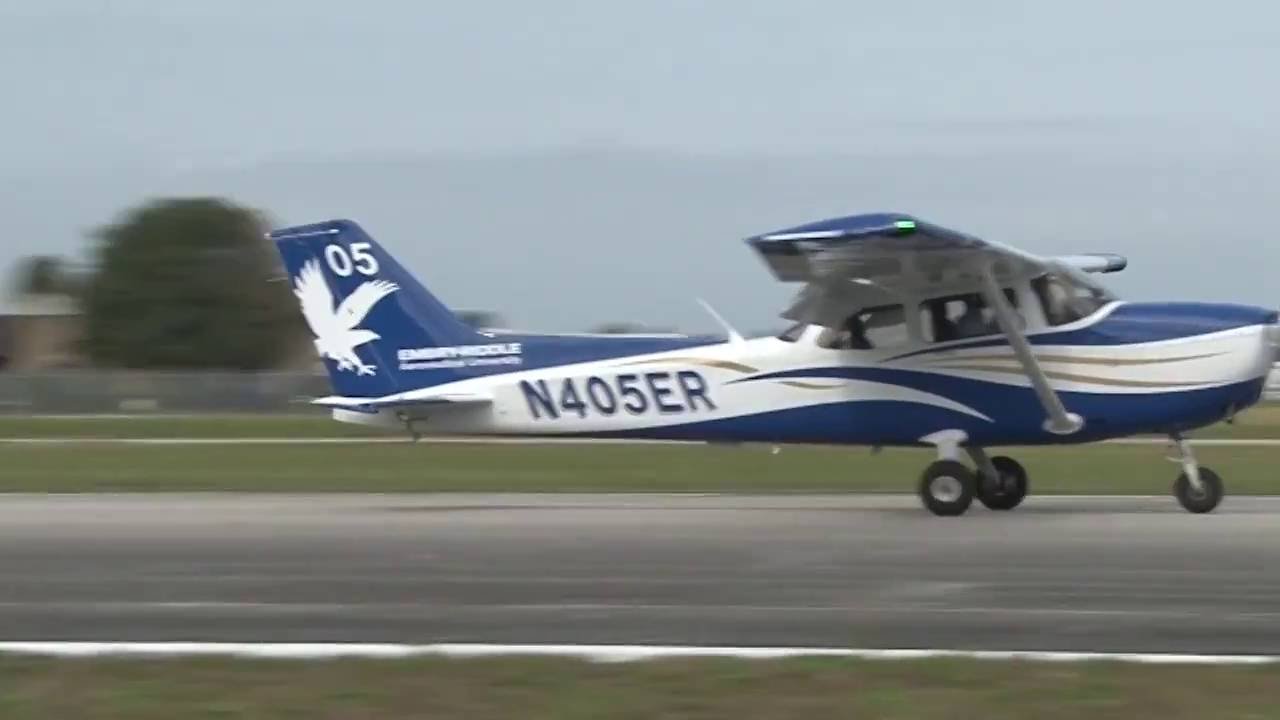
(G)
Short-field Approach and Landing
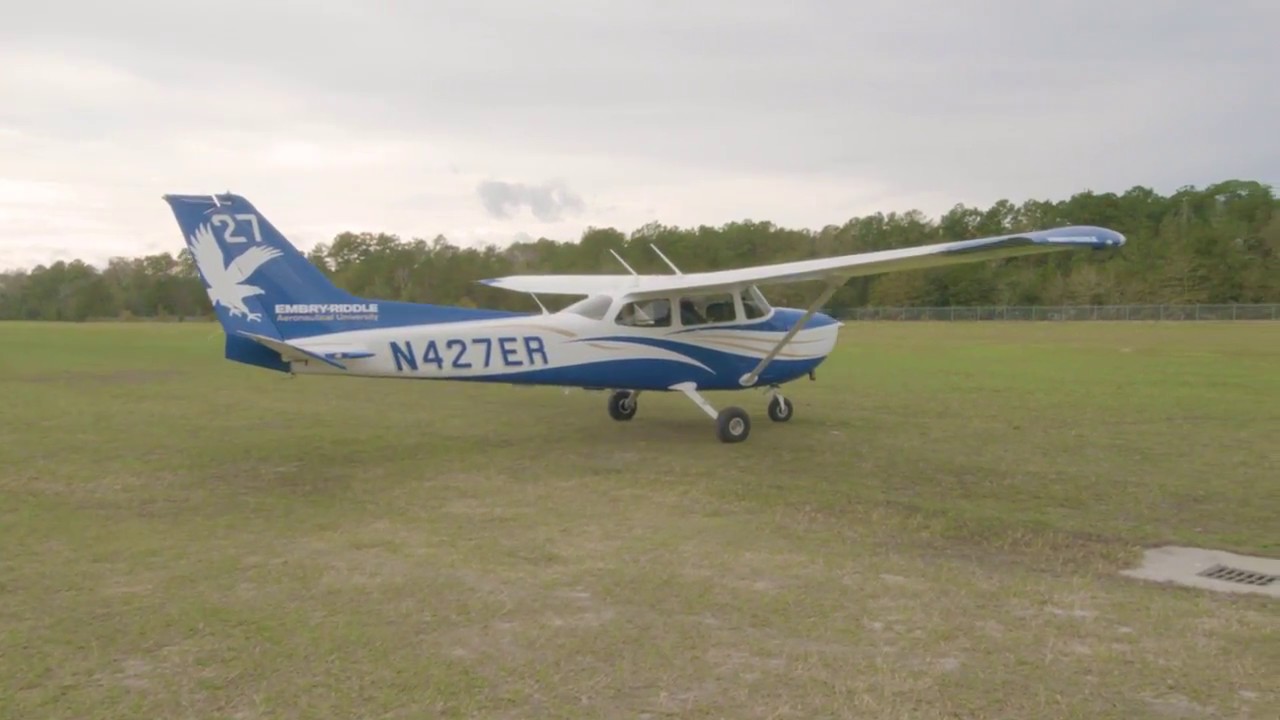
Short Field Approach & Landing
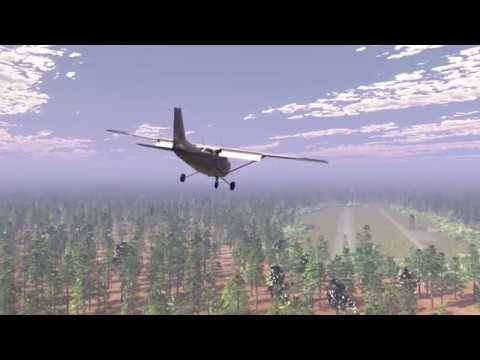
(H)
Flapless Landings
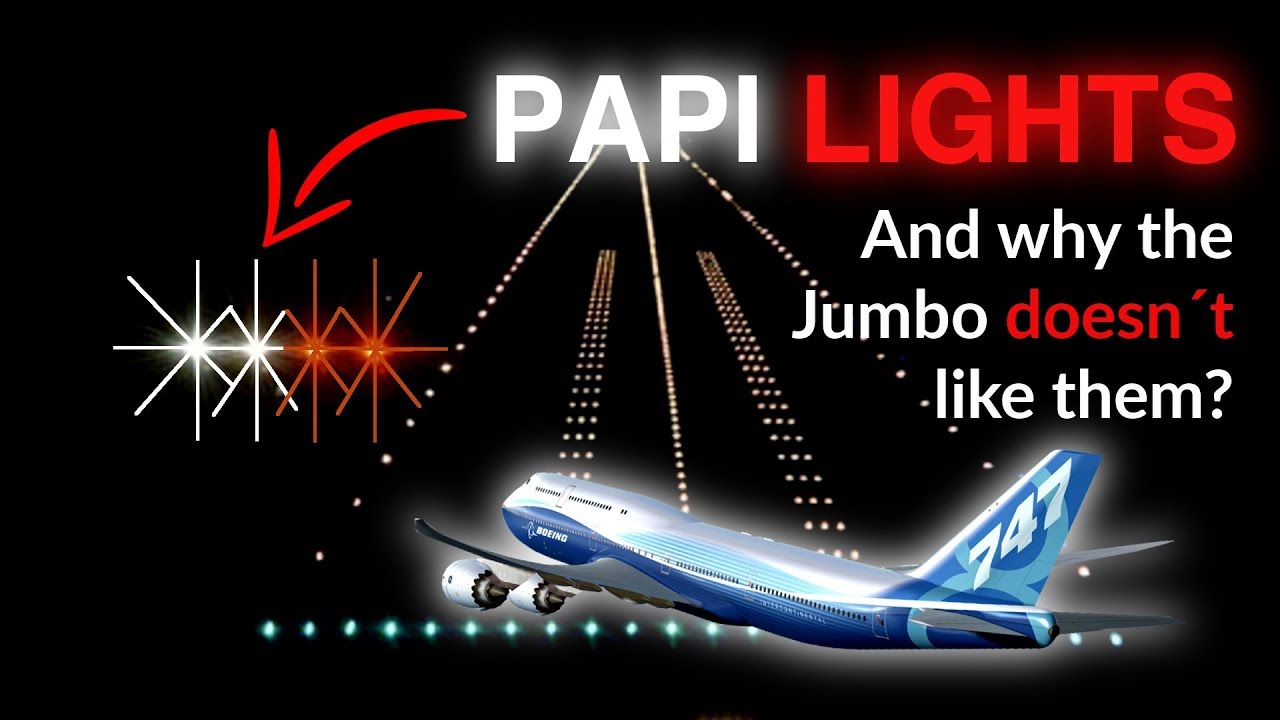
PAPI's
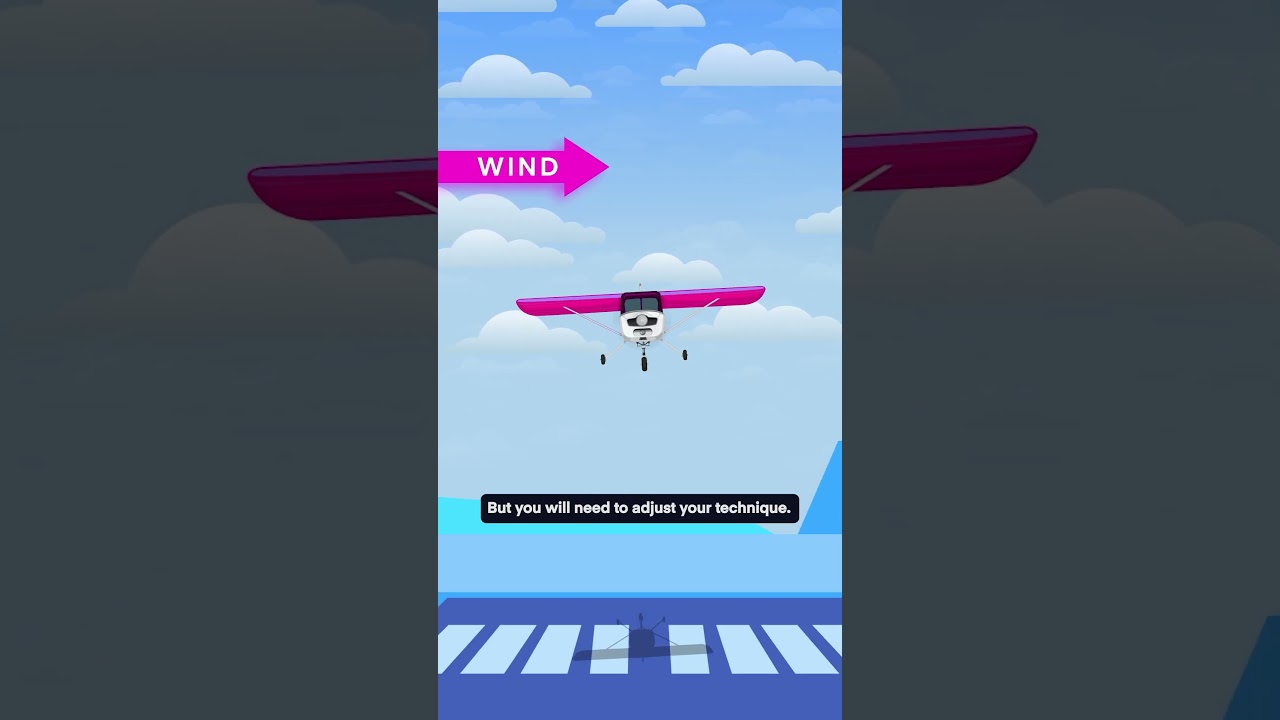
Forward Slip to a Landing ✈︎ Level 2
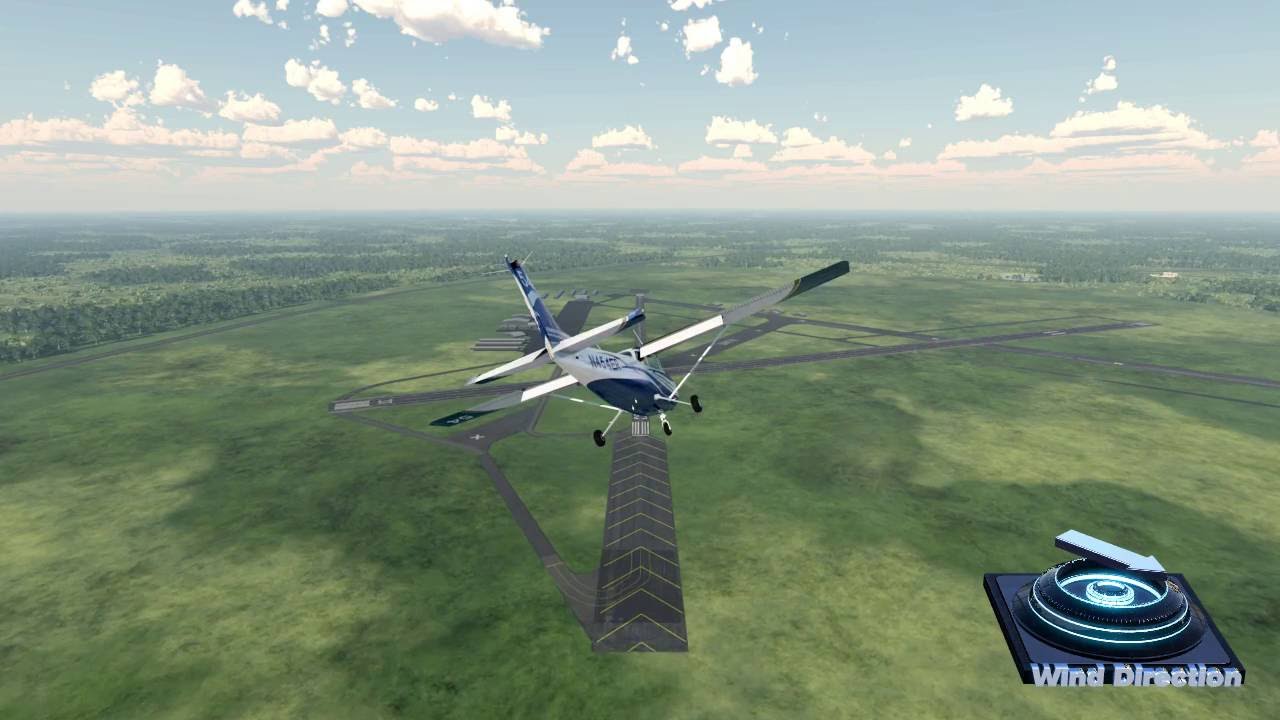
Rectangular Course ✈︎ Level 2
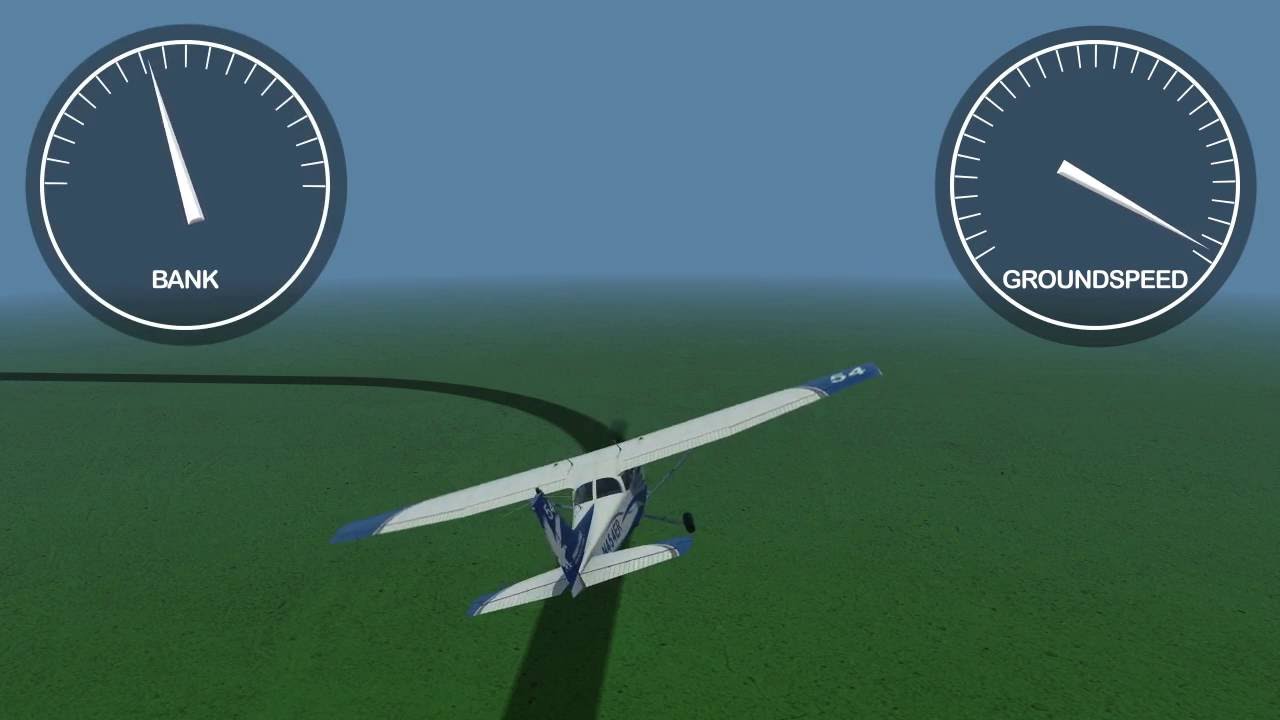
Go-Around
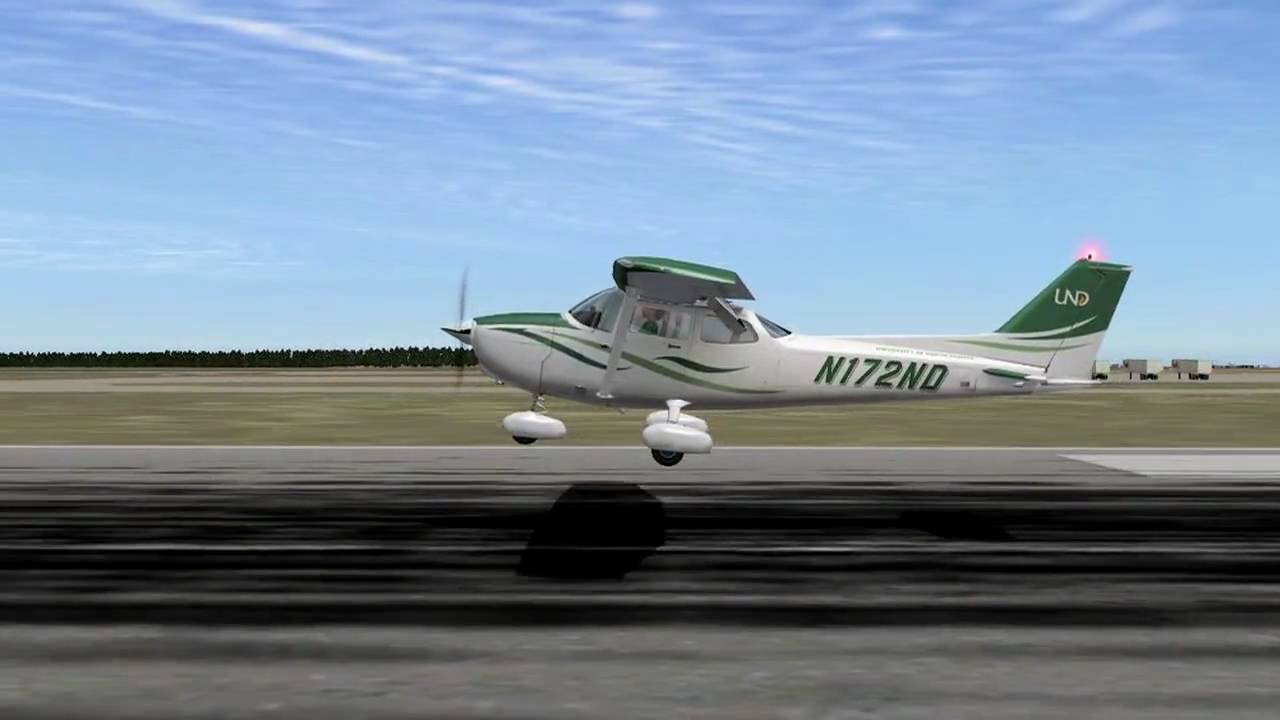
When to Flare
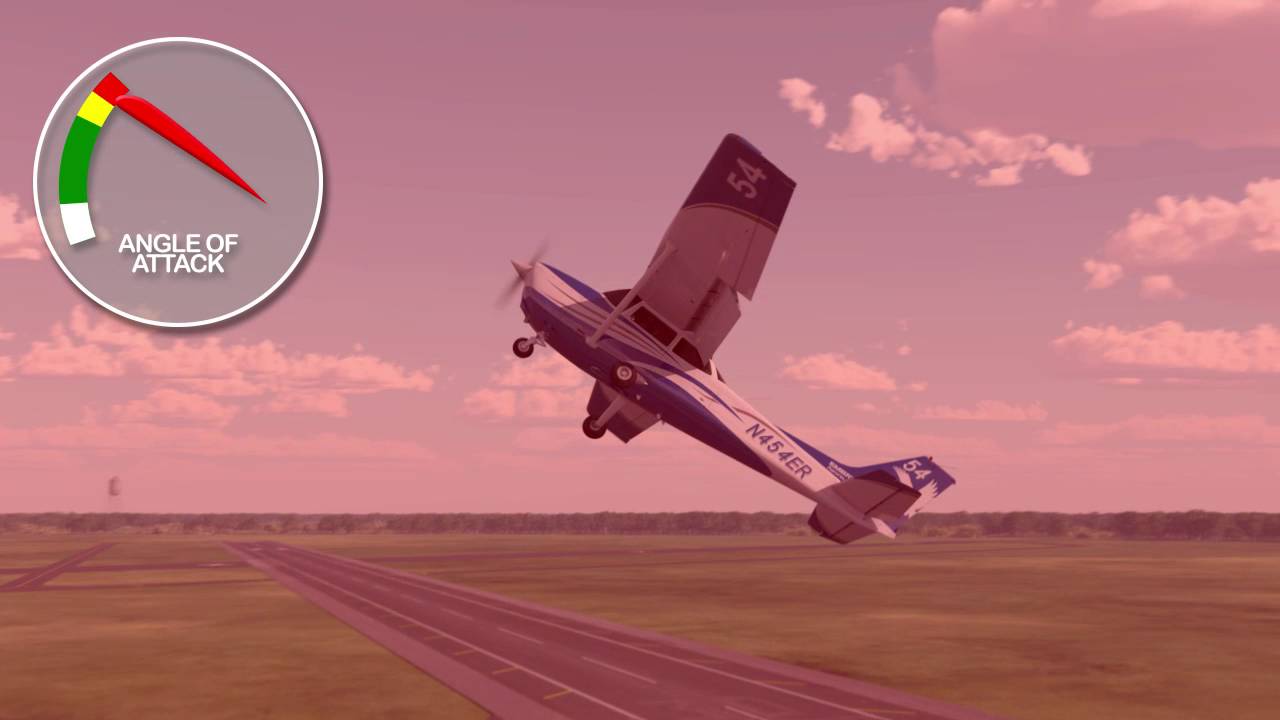
Faulty Approaches: Energy management
Faulty Approaches: Crosswind Considerations
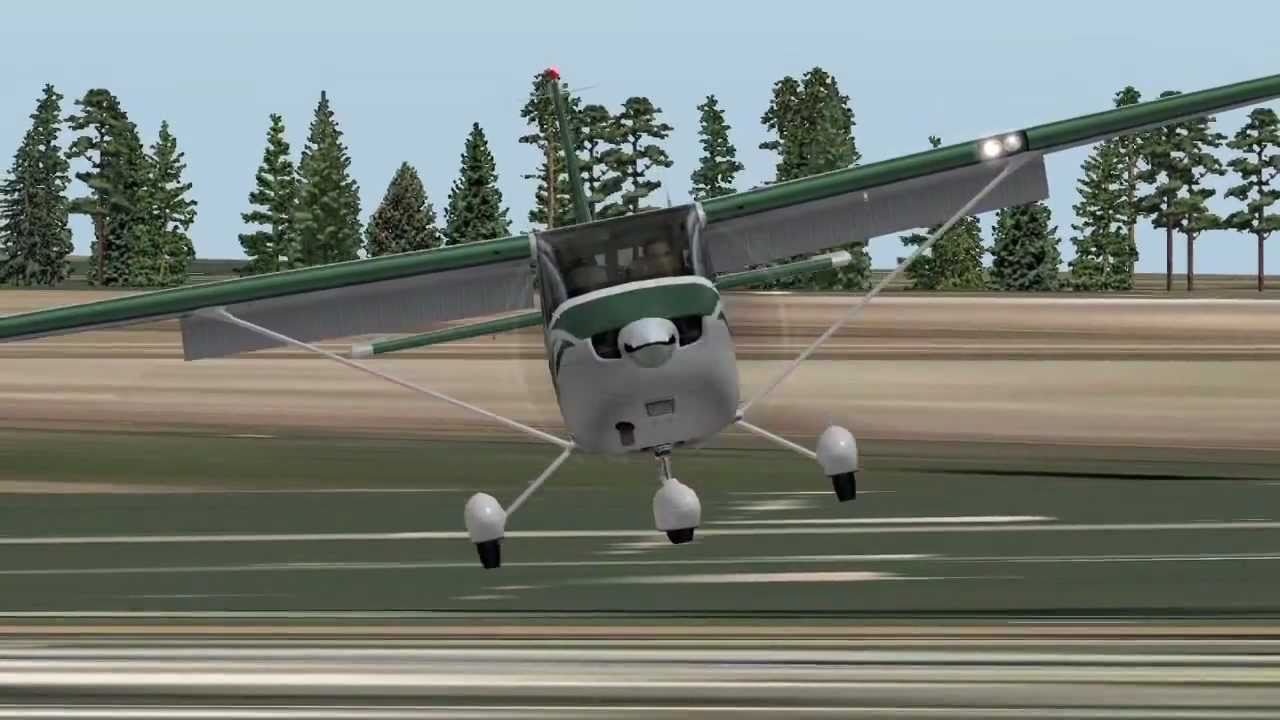
Forward slip to a landing
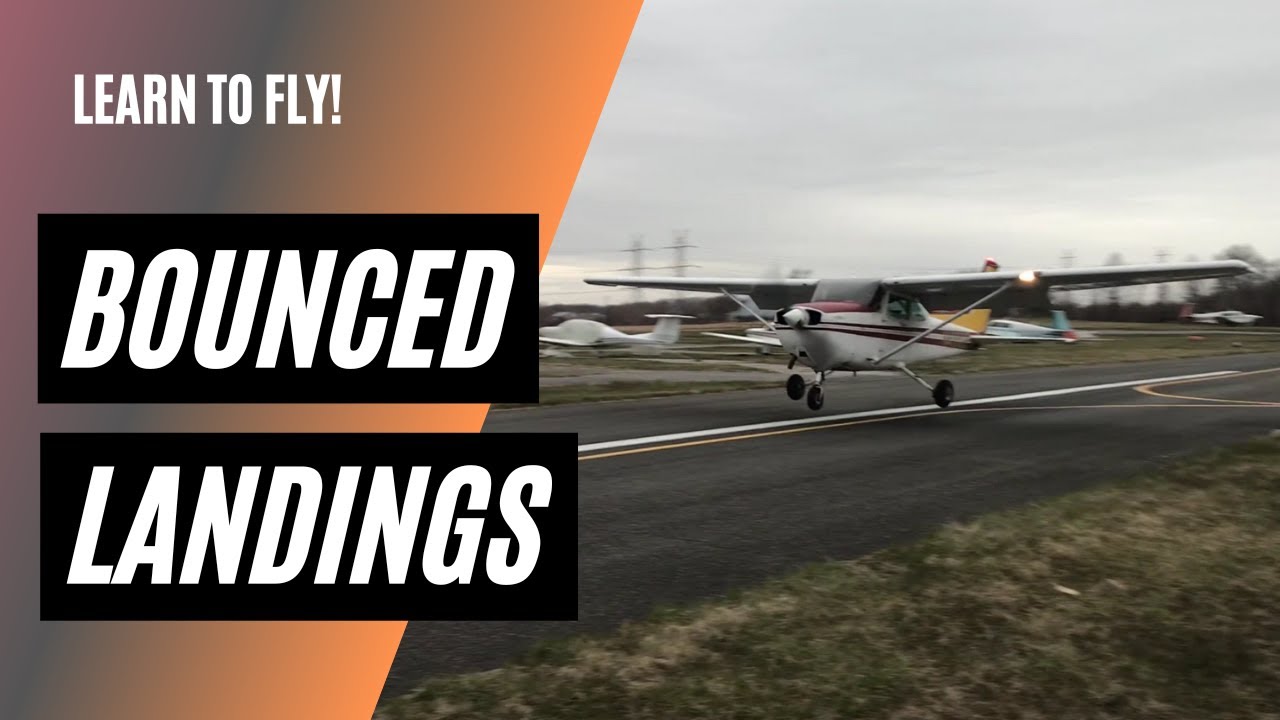
Bounced landing
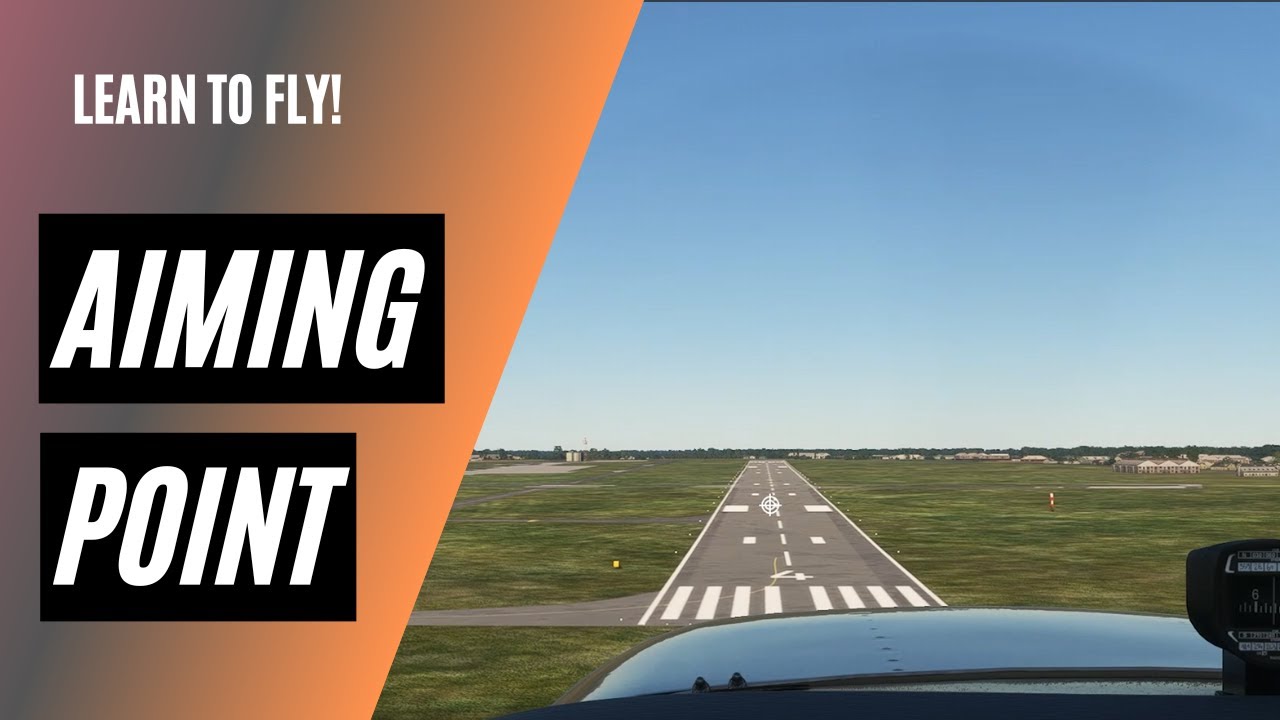
Aiming point
How to judge your landing
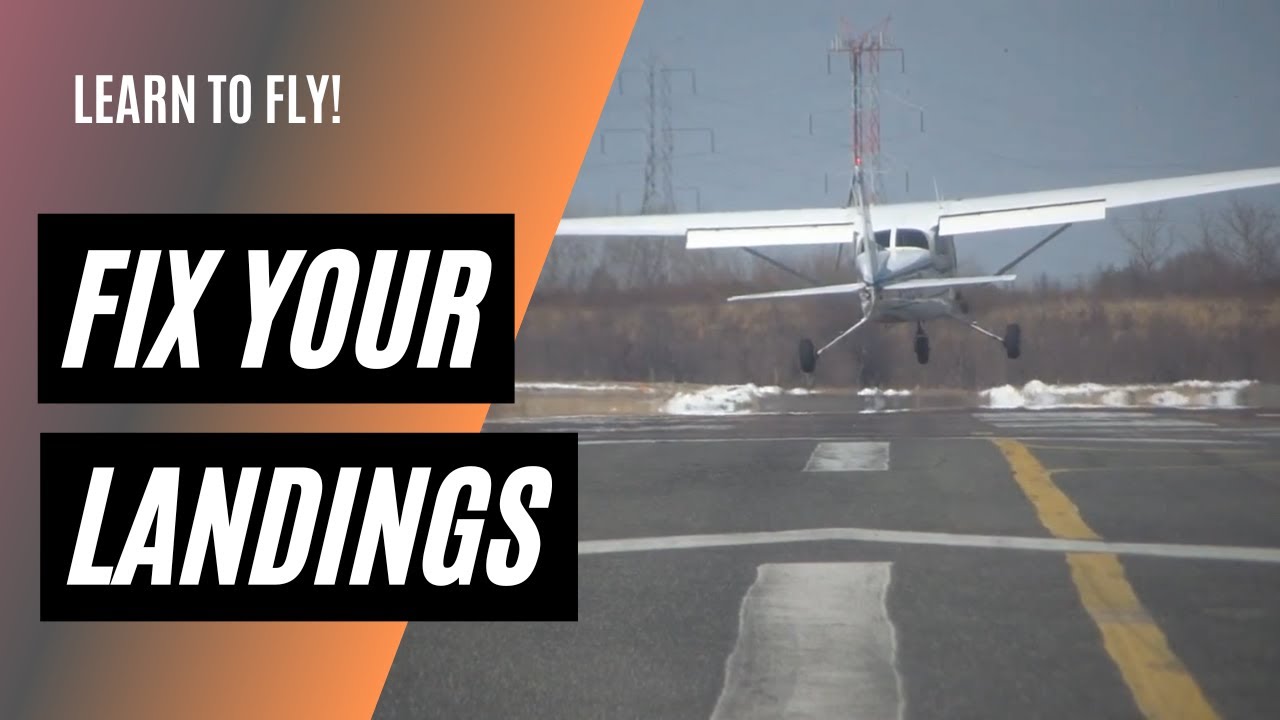
How to fix your landings
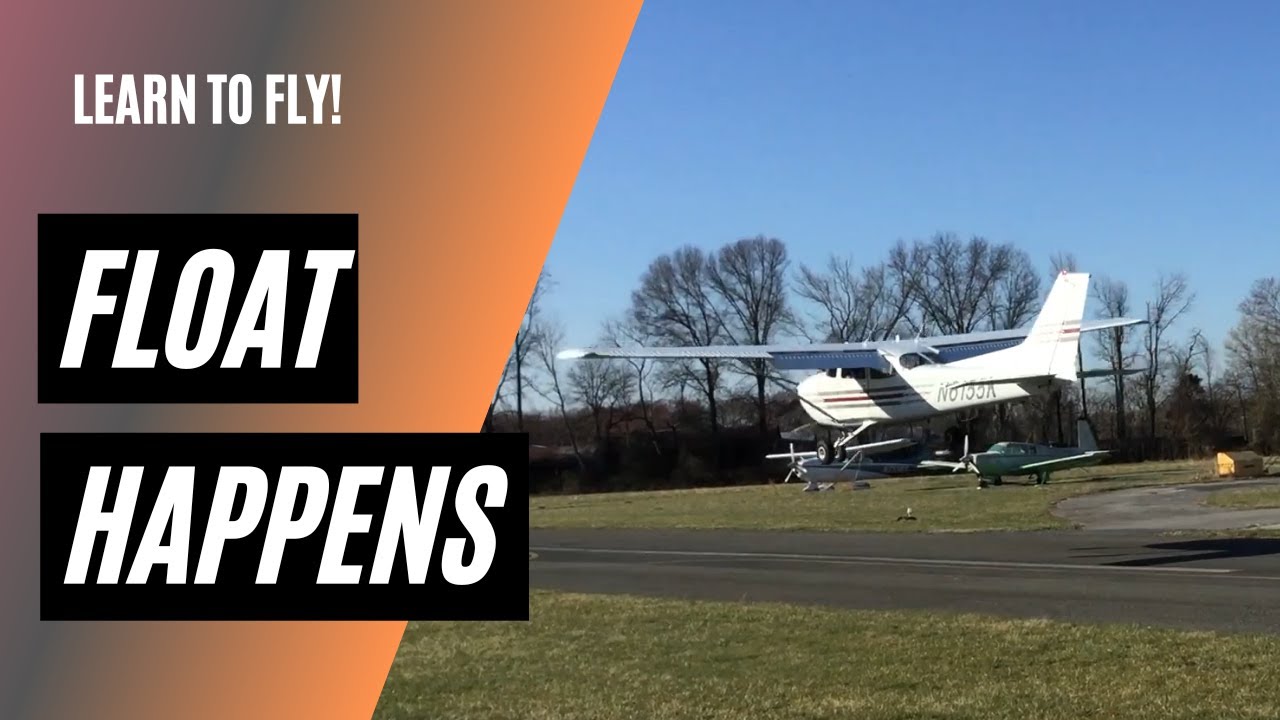
Floating down the runway
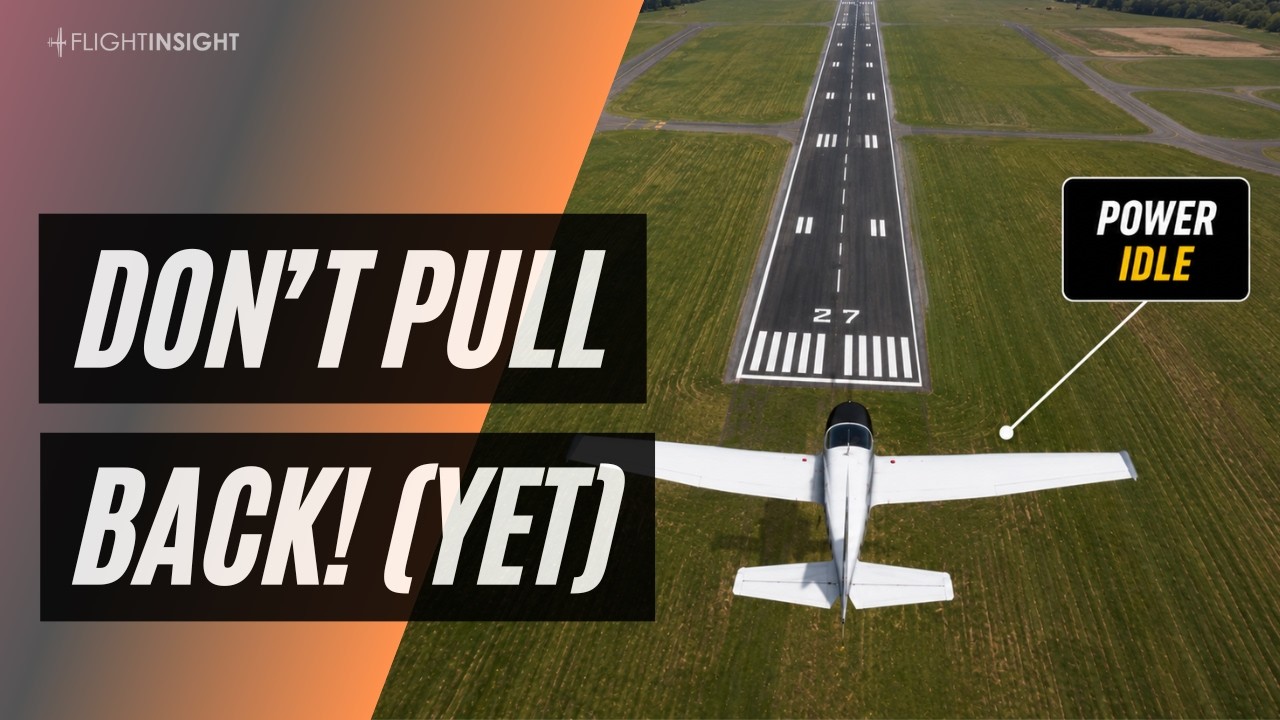
Why pulling back too early causes a hard landing
Mastering crosswind landings
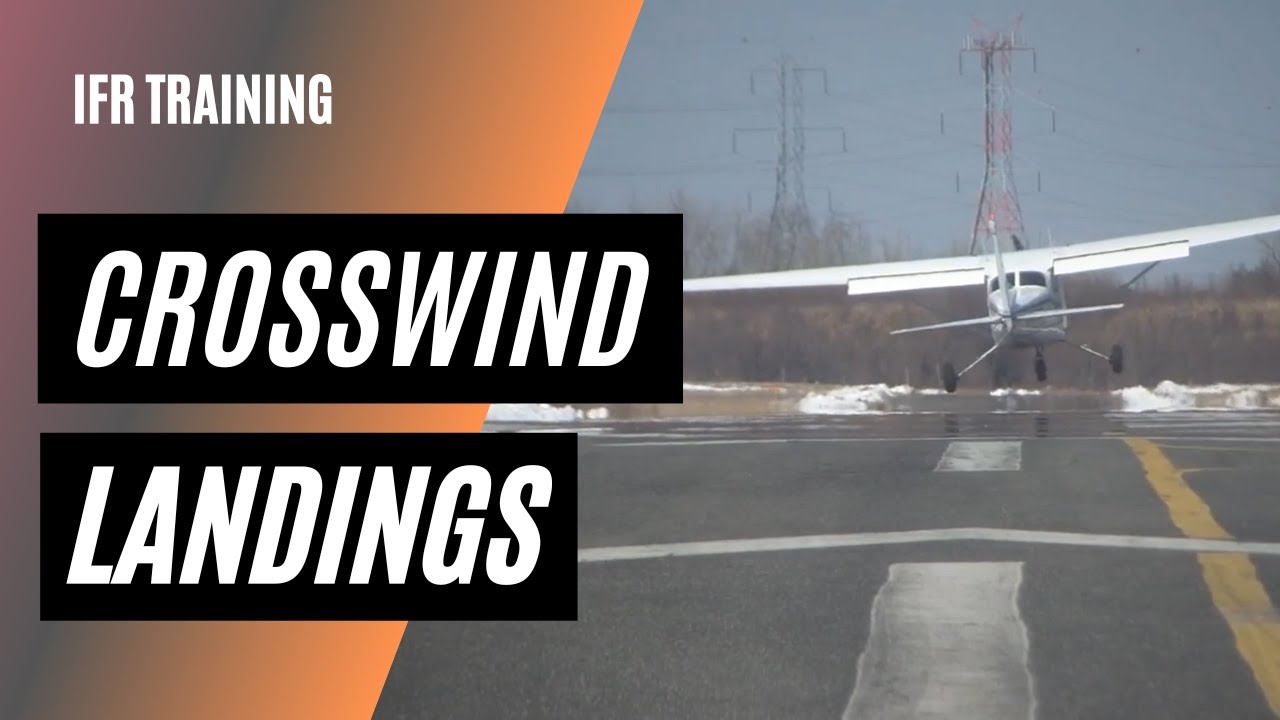
Can't hold the centreline? Use rudder & aileron

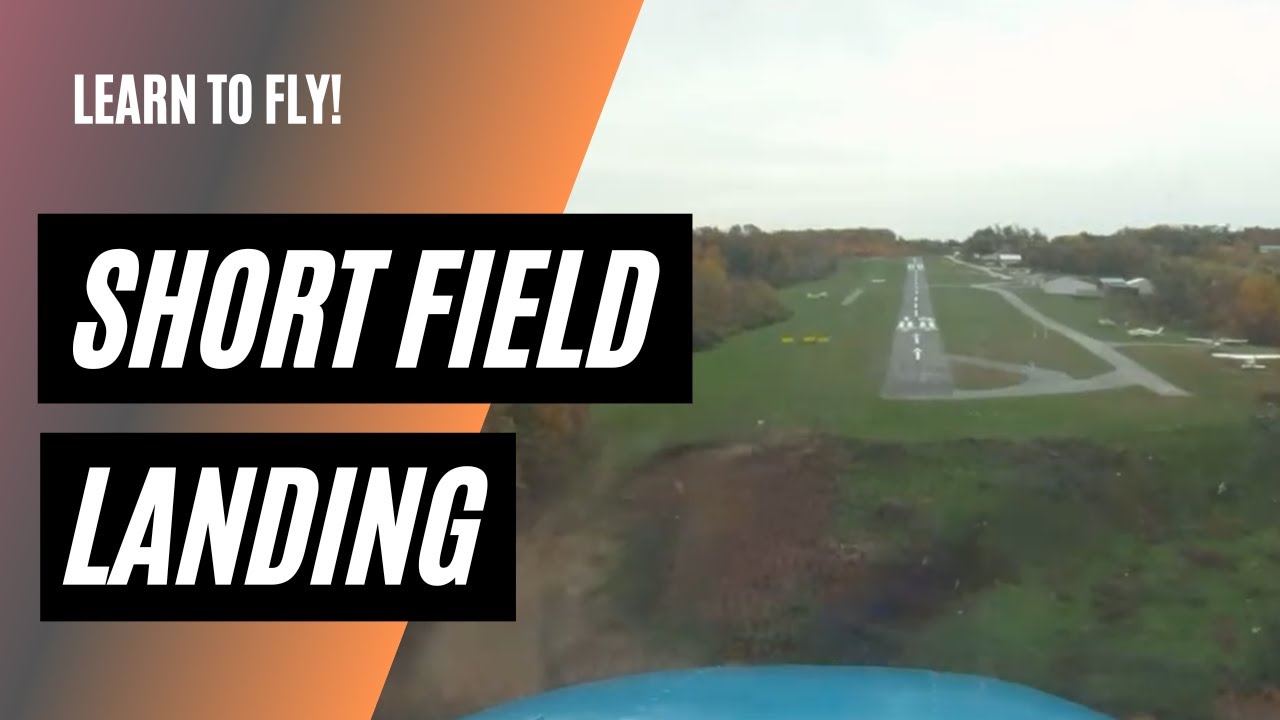
Short field landings
Noise Abatement Procedures