PPL Ex. 18a Navigation
PPL(A) Exercise 18(a) ✈︎ Navigation
EASA requirements:-
(1) flight planning:
(a) weather forecast and actuals;
(b) map selection and preparation:
(1) choice of route;
(2) controlled airspace;
(3) danger, prohibited and restricted areas;
(4) safety altitudes.
(c) calculations:
(1) magnetic heading(s) and time(s) en-route;
(2) fuel consumption;
(3) mass and balance;
(4) mass and performance.
(d) flight information:
(1) NOTAMs etc.;
(2) radio frequencies;
(3) selection of alternate aerodromes.
(e) aeroplane documentation;
(f) notification of the flight:
(1) pre-flight administrative procedures;
(2) flight plan form.
(2) departure:
(a) organisation of cockpit workload;
(b) departure procedures:
(1) altimeter settings;
(2) ATC liaison in controlled or regulated airspace;
(3) setting heading procedure;
(4) noting of ETAs.
(c) maintenance of altitude and heading;
(d) revisions of ETA and heading;
(e) log keeping;
(f) use of radio;
(g) use of navaids;
(h) minimum weather conditions for continuation of flight;
(i) in-flight decisions;
(j) transiting controlled or regulated airspace;
(k) diversion procedures;
(l) uncertainty of position procedure;
(m) lost procedure.
(3) arrival and aerodrome joining procedure:
(a) ATC liaison in controlled or regulated airspace;
(b) altimeter setting;
(c) entering the traffic pattern;
(d) circuit procedures;
(e) parking;
(f) security of aeroplane;
(g) refueling;
(h) closing of flight plan, if appropriate;
(i) post-flight administrative procedures.
Dead-reckoning Navigation
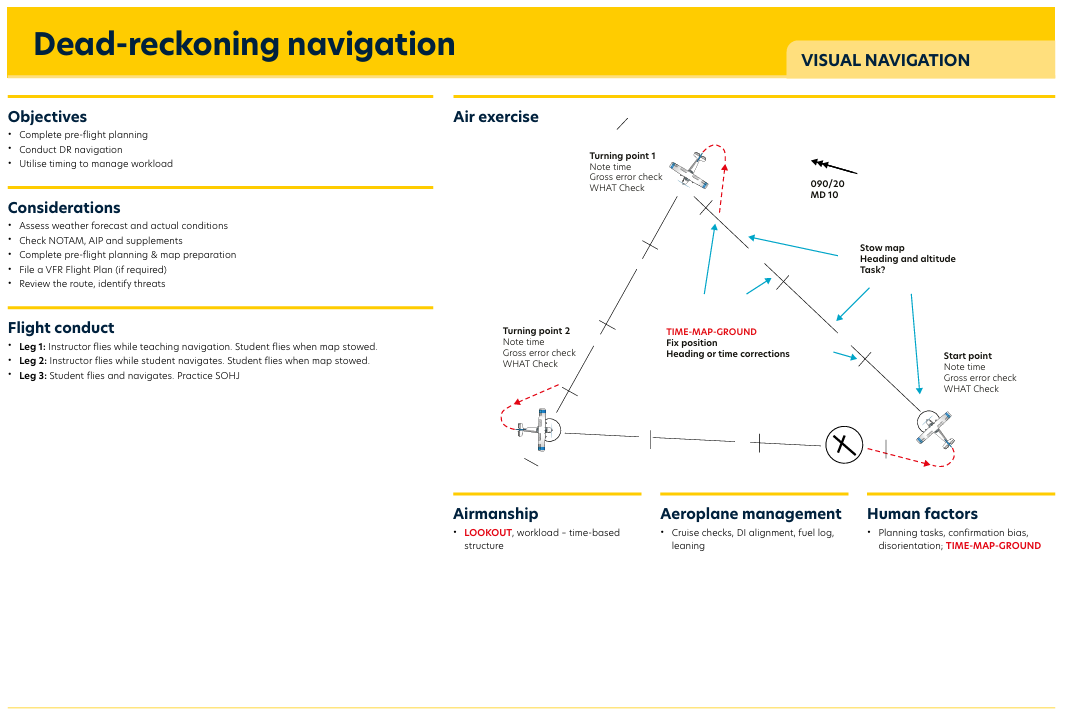
(1) Flight planning
Pilotage and Dead Reckoning - Embry Riddle
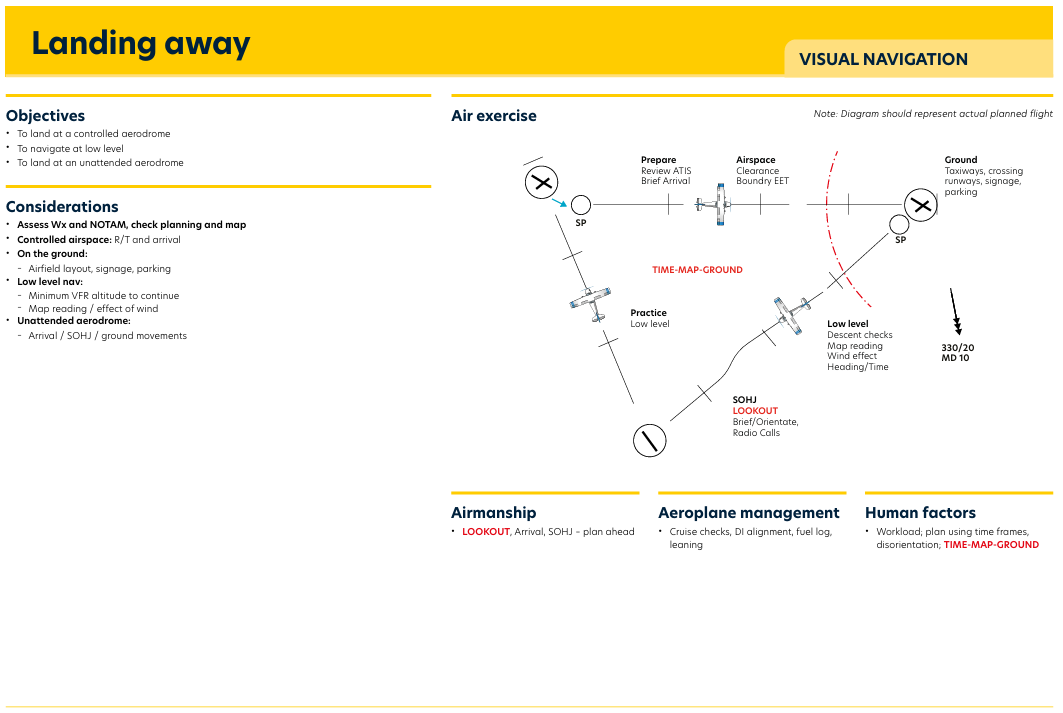
Land Away
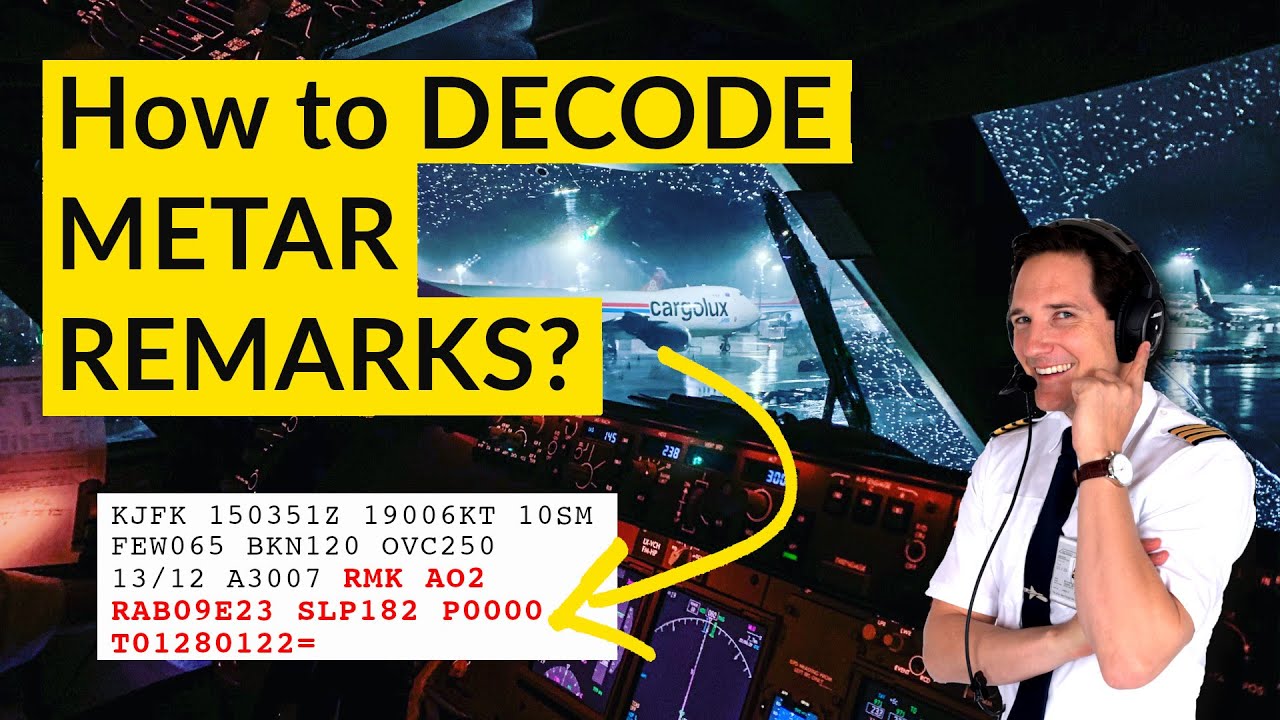
(a) How to decode METAR
How to decode an ATIS
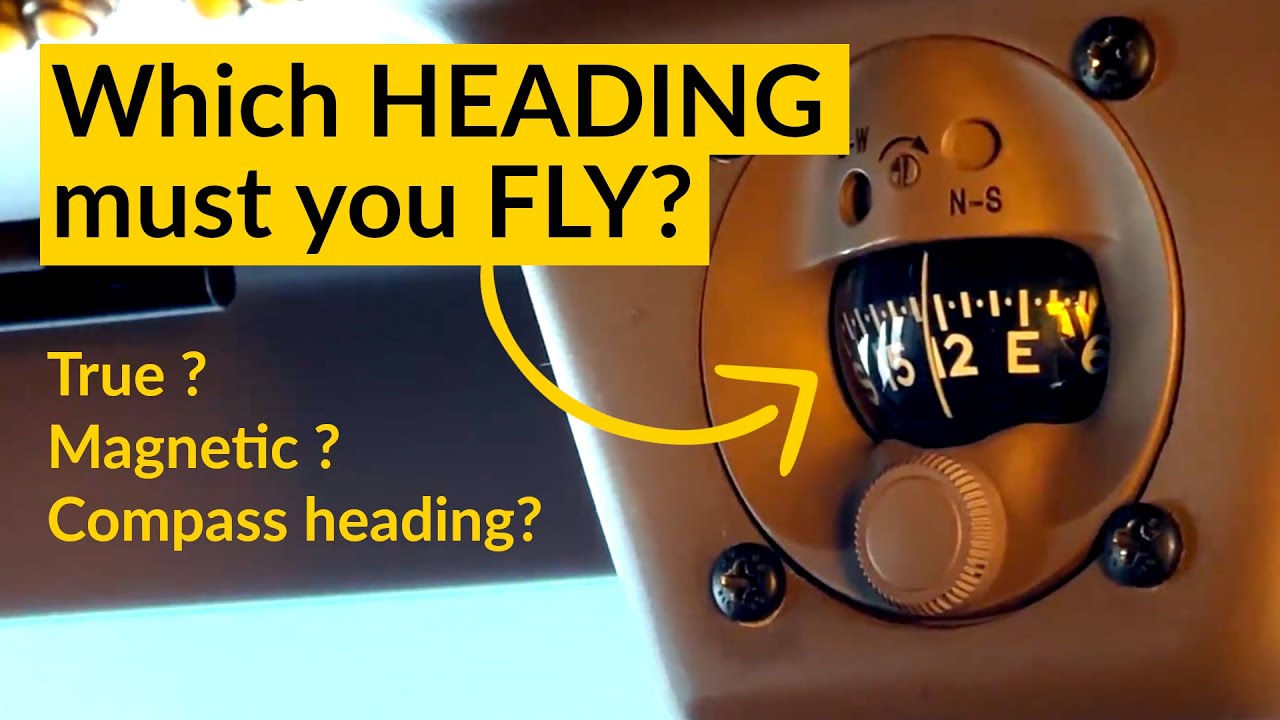
Which heading to fly
2(h)
VFR Weather Minimums
2 (j)
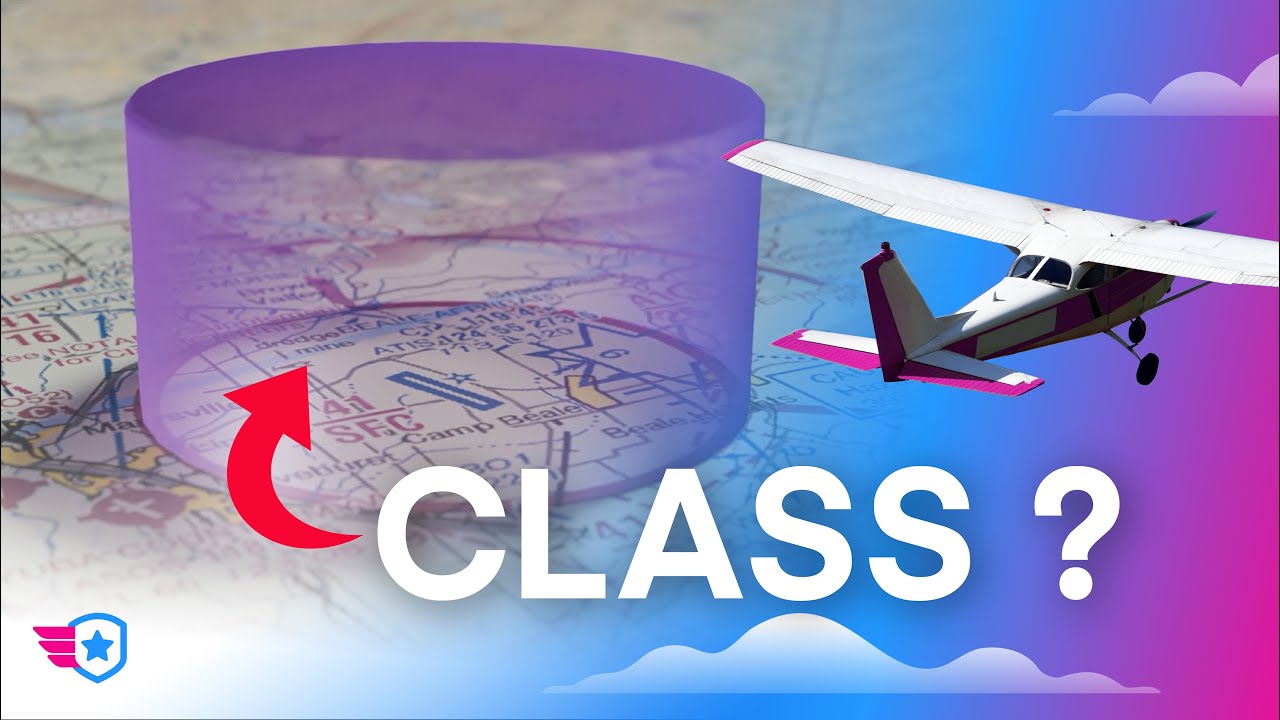
2 (m)
Lost in the sky - How to find your position without GPS
2 (k)
Diversions
VFR Diversions
Pilot Tutorial 15: Navigation (Part 1 of 4)
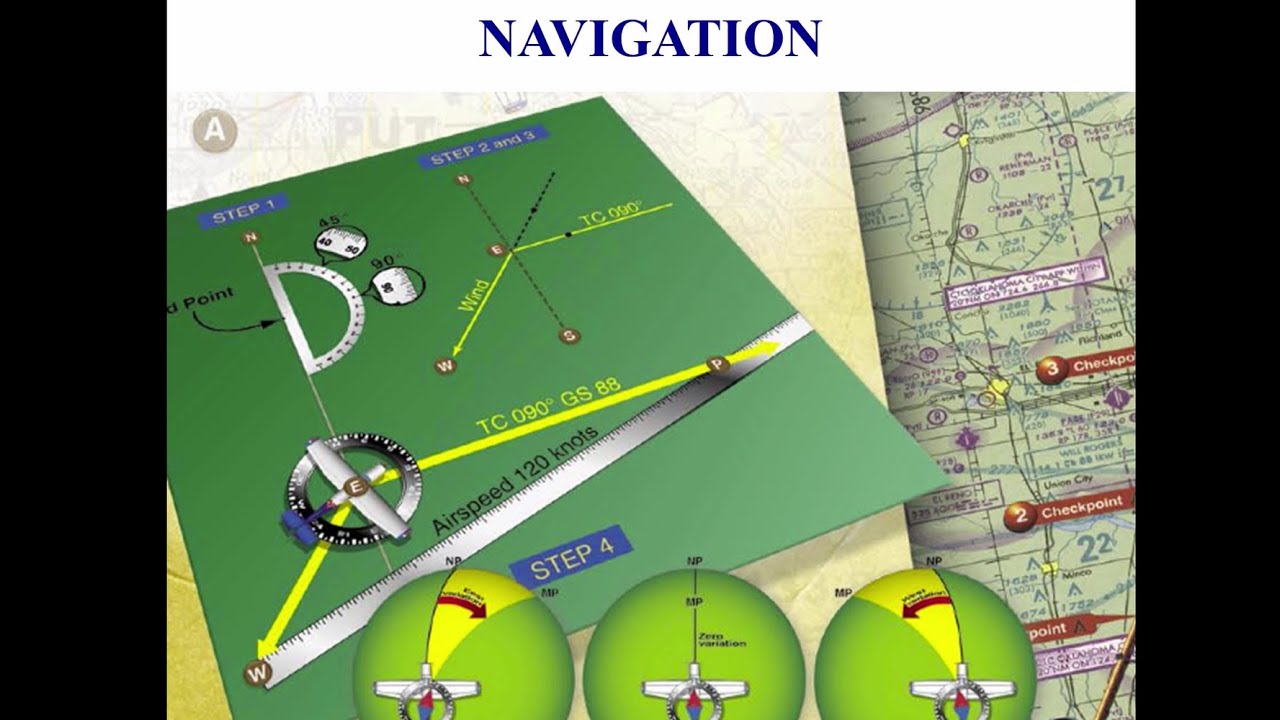
Private Pilot Tutorial 15: Navigation (Part 2 of 4)
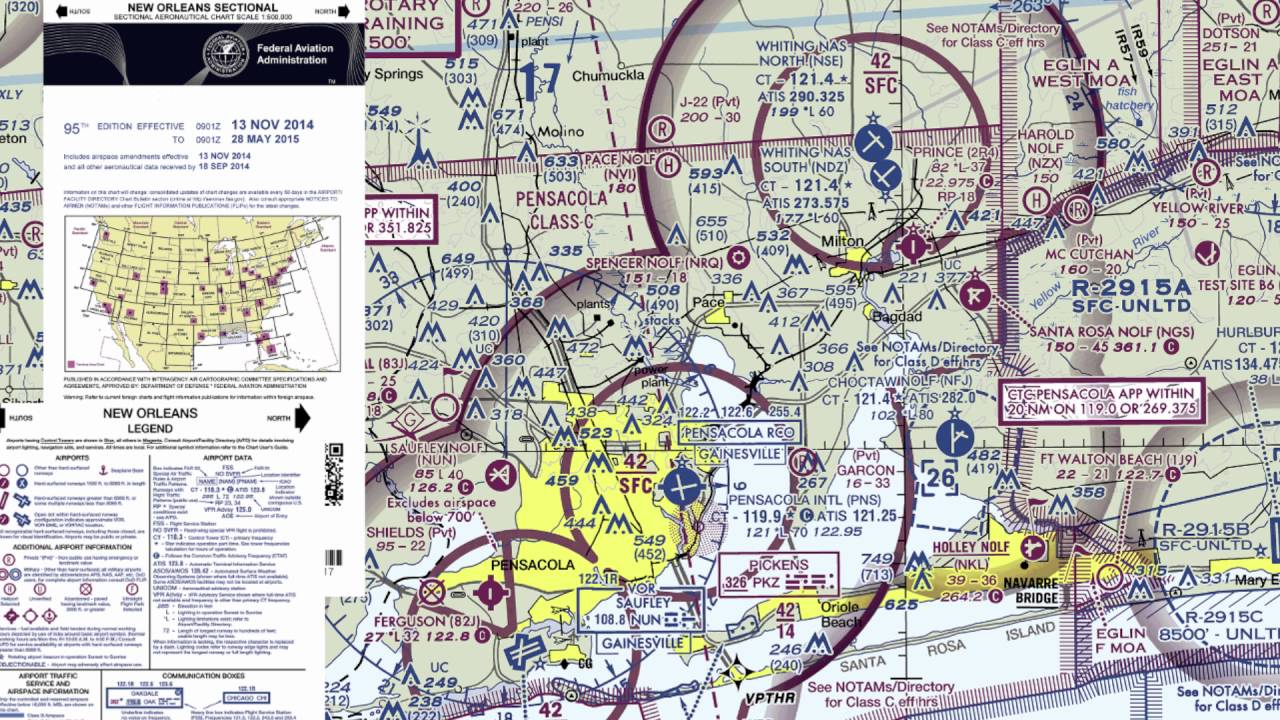
Private Pilot Tutorial 15: Navigation (Part 3 of 4)
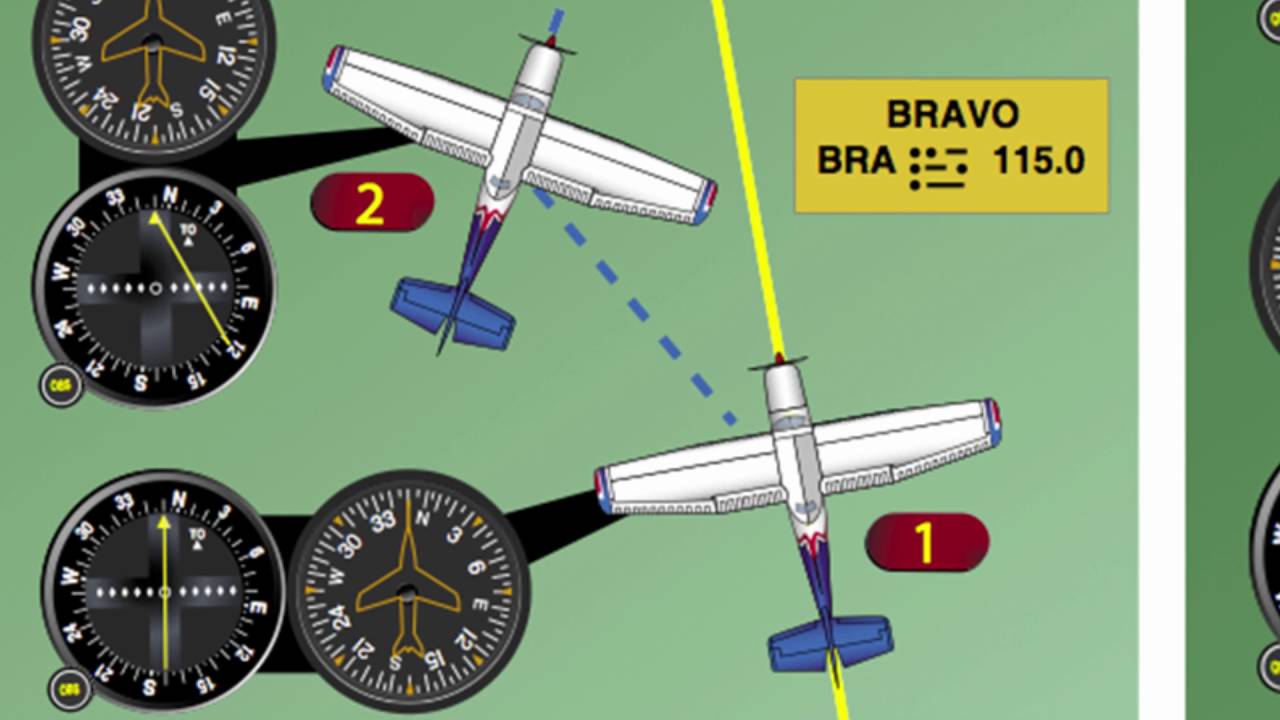
Private Pilot Tutorial 15: Navigation (Part 4 of 4)
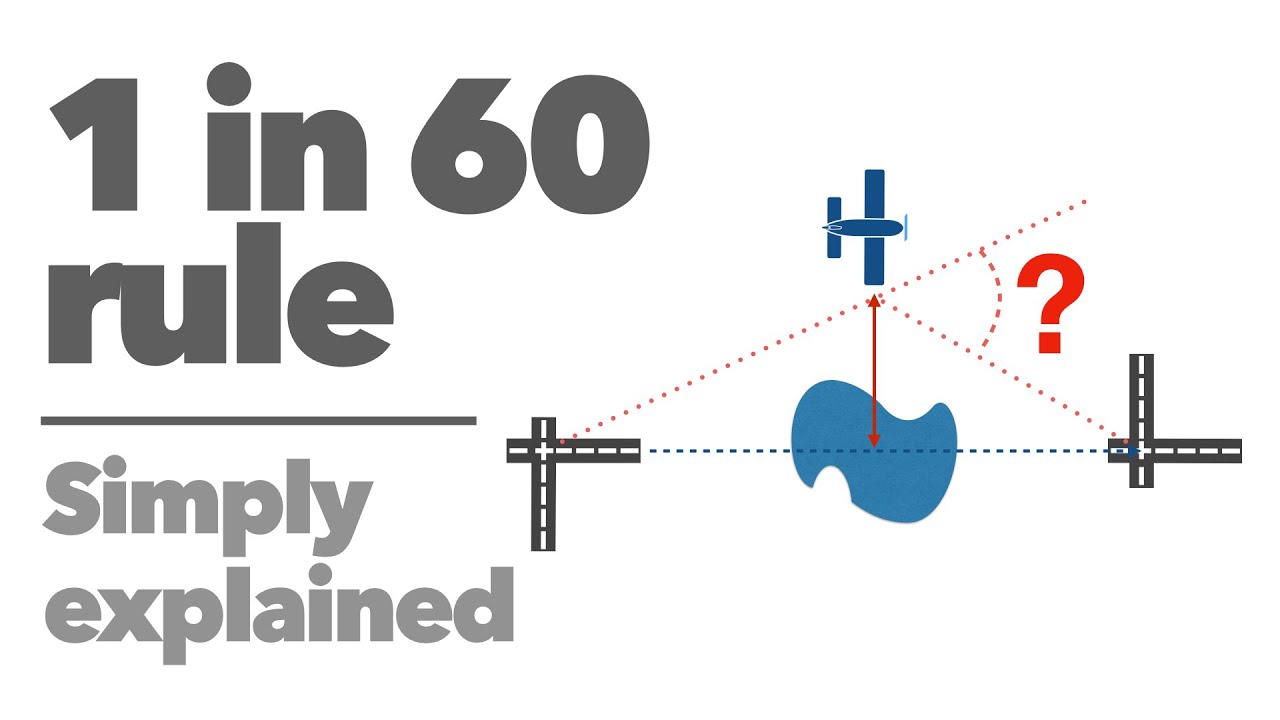
1 in 60 rule